


Welcome students to Germany.
Navigating Your Academic Journey in Germany
Welcome to your study experience in Germany. To ensure a smooth transition and a successful academic journey, it is essential to manage both your administrative requirements and your social integration proactively. Please follow the structured steps below to establish a solid foundation for your time here.
Essential Steps for Success:
1. Administrative Foundation: Complete your mandatory registration and banking requirements early to avoid bureaucratic delays.
- Mandatory Address Registration: You must complete your Anmeldung at the local Bürgeramt within 14 days of moving in.
- Non-EU Visa Requirement: Your Anmeldung strictly requires your passport, valid visa, and a landlord-signed Wohnungsgeberbestätigung form.
- Financial Setup (Sperrkonto): Non-EU individuals must open a blocked account (Sperrkonto) to legally prove financial stability for their visa.
- Everyday Banking: For daily expenses, digital accounts like N26 or Bunq open 100% online in English without needing an immediate address registration paper.
- Connectivity Solution: Avoid local identification delays by activating mobile data prior to landing. Get your Airalo Germany "Hallo! Mobil" eSIM here
2. Logistical Preparation: Secure your housing and understand your local transport options to streamline your daily routine.
3. Health and Safety: Ensure your health insurance is active, as it is a fundamental requirement for your enrollment and stay.
- Public Insurance (GKV) for Non EU Students: If you are under 30 years old, you must register. You choose public companies such as TK, AOK or Barmer. The system automatically sends the digital proof to the university. Without this digital proof, the university will not enroll you.
- Private Insurance : Mandatory if you are over 30 years old. Also required if you attend a language school. Compare and buy the best insurance with HelloSafe here
4. Social Integration: Actively participate in university clubs, mentorship programs, and language tandems to build a supportive network and enrich your cultural experience
Work rules for non-EU students in Germany:
I. Annual Limit (Immigration Law)
Each calendar year, you are legally entitled to work a maximum of:
140 full days per year (shifts of more than 4 hours)
OR
280 half days per year (shifts of up to 4 hours).
II. Weekly Limit (Social Insurance Law)
To keep your student status and avoid high taxes as a normal employee:
- During semester: Maximum 20 hours per week.
- During holidays: Up to 40 hours per week (but each day worked is deducted from the total of 140 days above).
III. What is COMPLETELY FORBIDDEN?
Freelancing / PFA / Self-employment: It is strictly forbidden (e.g. delivery on independent platforms like Glovo/Wolt, programmer on Upwork, Uber, etc.).
You are only allowed to be employed with a classic employment contract.
IV. What is NOT deducted from the 140 days?
Jobs within the university (teaching assistant, library, etc.). Mandatory internships included in the faculty curriculum.
5. Public Transport
- Local and Regional Public Transport
- For Micromobility (Short distances, under 3 km): Bike
- Long-Distance Travel (Weekend or holiday visits)
FlixTrain
FlixBus
BlaBlaCar
- For Exceptional Situations (Large Purchases or Emergencies) Car-Sharing
Miles
- Daily Life & Essentials: Moving to a new country comes with a host of practical needs for everyday life. From essential pharmaceuticals and personal care items to seasonal clothes and university outfits, you can get everything quickly and online, with delivery directly to your new address.
First step
Establishing an Administrative Base
1 .Before dealing with German bureaucracy, you need a working internet connection and a phone number to access digital services and map routes.
- Temporary Option (Airalo eSIM): Install it before landing for instant 5G data (Vodafone/O2). Perfect for the first few weeks without paperwork.
- Permanent Option (Local Prepaid SIM): Buy a SIM from grocery stores (ALDI, Lidl) to get a real German number (+49) for banking and government forms.
In Germany, the mobile phone market is controlled by three major operators who own the physical infrastructure (the masts and antennas):
- Deutsche Telekom (D1): It is considered the premium operator. It has the best national coverage and the fastest 5G speeds, especially in rural areas or on trains, but it is also the most expensive.
- Vodafone (D2): It is in second place in terms of coverage and performance. It offers excellent 5G connections in cities and on motorways.
- O2 / Telefónica (D3): It is the best value operator. Their network is extremely strong in large cities and university centers, but the signal can get weaker in remote rural areas.
2. Before starting your university studies, it is mandatory to establish a secure administrative base. Focusing on these key requirements will prevent future delays and ensure compliance with local regulations:
a) Mandatory Registration (Anmeldung):
Registering your residential address with your local Bürgeramt is the first essential step that must be completed within 14 days of your physical arrival.
- Deadline: Strictly 14 days after moving into your room. Missing this statutory window triggers local municipality fines ranging from €10 to €50.
- Where: The Bürgeramt / Bürgerbüro in your host city. You must schedule an Anmeldung appointment online 2 to 3 weeks in advance due to high institutional demand.
Required Documents:
- Valid National Passport (or a National ID Card for EU/EEA citizens).
- The Wohnungsgeberbestätigung: A mandatory landlord-signed accommodation confirmation form. Crucial Rule: This form is legally required for ALL students (both EU and Non-EU).
- Completed and signed Anmeldung Form (downloadable directly from your local city hall portal, such as berlin.de).
- HSE Pro Tip: 90% of local relocation blockages happen because a landlord refuses to sign the Wohnungsgeberbestätigung. You must demand this signed paper before you finalize your lease contract. Without this document, your registration is impossible.
- Result: You receive your official Meldebescheinigung (Confirmation of Registration) on the spot. This is the ultimate "magic paper" required to unlock your local bank account, high-speed internet contracts, and student health insurance validations.
b) Health Insurance Verification: Obtaining valid health insurance is a strict condition for university enrollment; this must be completed immediately upon arrival to avoid obstacles to academic registration.
HubStudentsEurope recommendation (Digital Comparator):
If you want to compare other options or are looking for other flexible travel/medical plans that comply with visa requirements, you can also use HelloSafe — a global comparator that allows you to quickly analyze various insurance offers tailored for international students.
Health Insurance Verification - Krankenversicherung
Rule: No German insurance = university does not enroll you “Immatrikulation”
Options for students <30 years old:
TK - Techniker Krankenkasse - Most popular with internationals. App in English, they respond quickly.
AOK - The largest, offices everywhere.
DAK, Barmer - Similar alternatives
How to do digital "Immatrikulation" (SMV system): The process is now completely digitalized via the Meldungsverfahren (SMV) system. You choose your insurance (e.g. on the TK or AOK website) and check that you are a student.
Enter your university code (each university in Germany has a unique identification number that you can find in your admission letter).
Automatic sending: The insurance company sends the confirmation (Versicherungsbescheinigung) directly to your university's digital system within less than 24-48 hours.
c) Financial Setup: Opening a local bank account, and for non-EU individuals, often requiring a blocked account (Sperrkonto), is essential to demonstrate financial stability and to process administrative or visa-related payments.
What do you need to open an account?
- Digital Banks: Only your Passport / ID card (they do not ask for your registered address at the beginning, you can use the temporary address where you live).
- Traditional Banks: Passport, Proof of Address (Meldebescheinigung from Anmeldung) and student certificate (Immatrikulationsbescheinigung) so that they don't charge you a monthly fee.
Connectivity
Airalo's eSIM data plan for Germany
Is officially called Hallo! Mobil. It is the fastest way for international students and tourists arriving in the country to connect to the internet, eliminating the need for passport identification or having a registered address (Anmeldung) in the first few days.
Network and Connectivity in Germany
- Local Operators: The eSIM uses a dual hybrid network, automatically connecting to O2 (Telefónica) and Vodafone.
- Speeds and Coverage: You get full access to 4G LTE and 5G networks in major urban centers, train stations and university campuses.
- Data Sharing: Mobile Hotspot (tethering) is fully enabled, allowing you to share your internet with your laptop or tablet.
- Plan Type: This is a data-only plan. It does not include a native phone number with a German prefix (+49), which means that calls will be made via VoIP apps (WhatsApp, FaceTime, Telegram)

Health Insurance Verification
HelloSafe (Digital Comparator)
If you want to compare other options or are looking for other flexible travel/medical plans that comply with visa requirements, you can also use HelloSafe — a global comparator that allows you to quickly analyze various insurance offers tailored for international students.

Foyer Global Health
Foyer Global Health International Health Insurance: Provides 100% coverage for outpatient and inpatient treatments. For students studying in Germany but also traveling to other European countries, this is an excellent solution as it offers direct billing and access to 24/7 telemedicine services (provided through Teladoc Health).

TK
Techniker Krankenkasse (TK) is the largest and most popular public health insurance company in Germany (gesetzliche Krankenkasse), with over 12 million insured members.
It is consistently voted as the top choice, especially due to its advanced digitalization and excellent support in English.
Why is TK so popular with students?
- 24/7 support in English: Both the official website and the call center have dedicated options completely in English.
- Mobile app: You can do everything from your phone (send medical certificates, request reimbursements, download documents).
Appointment service (TK-Terminservice): If you need a specialist (e.g. dermatologist, cardiologist) and there is no room, TK will call you and book an appointment according to your schedule.
- Direct billing: When you go to the doctor, you only present your physical health card (eHealth card), and the clinic sends the bill directly to TK. You pay nothing out of pocket for standard consultations.
What additional benefits does it offer?
- TK Bonus Program: If you go for annual preventive check-ups (e.g. dentist, vaccines), you collect points in the app that you can convert into cash (up to €250 per year).
- Travel vaccines: TK covers the costs of the necessary vaccines if you go on exotic holidays (e.g. Hepatitis, yellow fever).
- Coverage throughout Europe: On the back of the German card you have printed the European Health Insurance Card (EHIC), valid when traveling in the EU.

AOK
AOK (Allgemeine Ortskrankenkasse)(https://www.aok.de/fm/ro-ro/) is the largest public health insurance company in Germany, covering over 27 million people. Unlike other single companies, AOK is organized as a network consisting of 11 independent regional branches (e.g. AOK Bayern, AOK Nordost, AOK Baden-Württemberg).
If you register with AOK, you will automatically belong to the branch in the state where you live.
The main advantages of AOK
- The largest network of physical offices: AOK has over 1,200 physical branches throughout the country. Many of them are located directly on large campuses or in university towns (AOK Student Service). If you prefer to speak face to face with an advisor to solve a problem, AOK is unbeatable.
- Free health courses: They fully or partially reimburse you for approved courses in fitness, yoga, nutrition, stress management and quitting smoking.
- “Meine AOK” app: A stable digital platform where you can upload your medical certificates, apply for reimbursements and communicate with them.
Disadvantages to be aware of
- Language barrier (English support): Although they have a central English phone line, in local offices or in daily emails the employees prefer or insist on speaking German. Communicating in English is more difficult at AOK than at TK.
- Unequal prices: Since they are divided into regions, the monthly price differs depending on the state you study in. In some states (such as Berlin/Nordost), the additional contribution is higher, raising the total cost.
Prices for students (<30 years) in 2026:
The total cost (including basic health insurance + long-term care insurance) varies regionally between €139 and €153 / month.
* Under 23 years: around €139 - €142 / month.
* Over 23 years (without children): around €145 - €153 / month.

DAK
DAK-Gesundheit is the third largest public health insurance company in Germany. It is an excellent national provider, particularly known for its financial bonus programs and flexible packages for young people and students.
Like TK and AOK, DAK covers the full package of legally required medical services (consultations, hospitalization, prescriptions).
Key advantages of DAK
- Free "DAK Fit & Travel" package: This is an optional free plan for people up to 39 years of age. It offers you international travel health insurance and special subsidies (e.g. money back on gym memberships).
- DAK Garantietarif 120 plan: If you sign up for this plan and do not go to the doctor for major treatments for a year (preventive check-ups are not required), you will receive €120 in cash back per year (effectively saving €10 per month).
- Extensive alternative treatments: Unlike other providers, DAK-Gesundheit reimburses generous amounts for alternative therapies such as osteopathy (up to 3 sessions per year) and acupuncture. [9]
- Digital support: Their mobile app allows you to manage everything online, and their enrollment service digitally reports your insured status directly to the university (M10 / SMV system).
DAK disadvantages
- Slightly higher price: DAK has an additional contribution (Zusatzbeitrag) of 3.20% in 2026, which makes it slightly more expensive at the student rate compared to TK.
- Partial English: Although they have basic websites and forms translated into English, their daily support on the app or by phone is not as fully digitized in English as that of TK.
DAK prices for students (<30 years old) in 2026:
The total rate (health insurance + care insurance) is fixed nationwide for DAK:
- Under 23 years old: €145.52 / month.
- Between 23 and 29 years old (without children): €150.65 / month.

Barmer
Barmer is the second largest public health insurance company in Germany, with over 8.7 million insured members. Along with TK, it is considered one of the most digitalized and friendly options for international residents and students, offering a massive infrastructure and premium services.
Key advantages of Barmer
- “Meine Barmer” app and portal: Their online services are highly appreciated. You can upload medical exemptions, get instant certificates and contact them without physical papers.
- [24/7 English hotline](https://www.barmer.de/es/consultations-1064710): They have a dedicated English-only hotline (English Service Hotline), which is operational 24/7.
- Barmer Teledoktor service: You receive medical advice via video or phone at any time. The doctors there can help you understand diagnoses, treatments or prescriptions.
- Subscriptions to top apps: As a Barmer member, you get free or heavily subsidized access to premium fitness and meditation apps, such as 7Mind (for stress/sleep) or Gymondo (home fitness).
- Flexible Bonus Program: Collect points in the app for sports activities, vaccinations or dental check-ups, which you can later exchange for cash or prizes.
Disadvantages of Barmer
- Slightly higher price: Their additional contribution (Zusatzbeitrag) is set at 3.29% in 2026. This percentage places it only a few euros above the cost of TK.
Barmer prices for students (<30 years) in 2026:
Like the rest of the insurance companies, the total cost includes basic insurance and long-term care insurance (Pflegeversicherung):
- Under 23 years: €146.29 / month.
- Over 23 years old (without children): €151.42 / month.

Financial Setup
To manage your money day to day in Germany (rent payment, shopping, phone subscription or health insurance), you need a Girokonto (current account).
In Germany, banks are divided into two main categories: traditional banks (with physical branches) and digital banks (direct bank / neo-banks).
1. Digital Banks (Recommended for simplicity and English)
They are ideal for students and expats. Opening an account is done online in 10 minutes by video verification of your passport, and the apps are 100% in English.
1822direkt Gesellschaft der Frankfurter Sparkasse
- Top security: It is the digital division of Frankfurter Sparkasse, one of the largest and most respected banks in Germany. You have the security of a traditional bank with the convenience of a modern mobile app.
- Zero costs for students: The account is free for young people under 30, with no minimum income requirements.
- Accepted everywhere: You will receive the official card with which you can pay in any store in Germany, not just places that accept Visa/Mastercard.
- How to proceed:
You can open your account 100% online, via video identification, even before arriving in Germany.
- N26: The most popular digital bank in Germany.
- Costs: The basic account is free.
- Card: You get a free virtual debit card (or a physical one for a one-time delivery fee of €10).
- Language: The app and customer support are fully in English/Spanish/French/Italian.
- Minus: You can only deposit cash through partner supermarket networks (Cash26), with a commission after a certain limit.
- Bunq: An excellent digital option, focused on sustainability.
- Costs: Has free plans for students or paid premium plans.
- Advantage: Allows you to have sub-accounts with IBANs from different countries (including German IBANs).
2. Large Traditional Banks (Cash-centric and physical branches)
If you prefer to go to a counter or need complex services (frequent cash deposits, loans), these are the main options.
- Sparkasse: It is not a single bank, but a network of regional banks (e.g. Berliner Sparkasse, Stadtsparkasse München).
- Advantage: They have the largest number of ATMs and branches in Germany. You can find a Sparkasse on every street corner.
- Costs: Free for students (usually up to 25 or 26 years old). Otherwise, it costs between €4 and €9 per month.
- Cons: If you open an account at Sparkasse Berlin and move to Hamburg, you will have to move your account to the local branch for certain complex operations.
- Commerzbank: The second largest in Germany.
- Costs: The account called “Girokonto Basic” is free if you run at least €700 per month through it (or if you are a student). Otherwise, it costs €9.90/month.
- Pros: You can deposit cash for free at their special ATMs in the branches.
- Deutsche Bank: The largest bank in the country.
- Costs: Offers the “Das Junge Konto” account which is completely free for students up to the age of 30.
- Pros: Internationally recognized, very solid consulting services.
Be aware of the difference between cards in Germany
When opening an account in Germany, you will often hear two terms:
1. Girocard (formerly EC-Card): This is the German national card. Many small shops, bakeries or public institutions in Germany accept ONLY Girocard and refuse Visa or Mastercard. Traditional banks (Sparkasse, Commerzbank) offer this card automatically.
2. Visa/Mastercard Debit: Cards offered by digital banks (such as N26). They are perfect for online payments and large retailers, but you may be refused at some kiosks or local restaurants where it says "Nur EC-Karte" (Only Girocard).
Financial Setup
1822direkt Gesellschaft der Frankfurter Sparkasse
- Top security: It is the digital division of Frankfurter Sparkasse, one of the largest and most respected banks in Germany. You have the security of a traditional bank with the convenience of a modern mobile app.
- Zero costs for students: The account is free for young people under 30, with no minimum income requirements.
- Accepted everywhere: You will receive the official card with which you can pay in any store in Germany, not just places that accept Visa/Mastercard.
- How to proceed:
You can open your account 100% online, via video identification, even before arriving in Germany.

N26
N26 is a leading German digital bank, founded in Berlin in 2013, which operates as a full-fledged bank, licensed by the German Federal Financial Supervisory Authority (BaFin). This status means that all your deposits are guaranteed by law up to €100,000, just like any reputable traditional bank.
The N26 app is the central pillar through which you can control all your financial activities, offering intuitive tools for everyday payments, savings and investments.
Key advantages of N26
- No bureaucracy in German: The entire registration process, the mobile app interface and customer support are available in English (but also in Spanish, French or Italian).
- Ultra-fast registration: The account is opened in less than 10 minutes directly from your smartphone. You just need to fill in your details, select the plan you want and confirm your identity through a short video call in which you present your passport.
- Instant activation: As soon as the verification is complete, you will receive a German IBAN (starting with DE). Your virtual Mastercard card becomes active immediately and can be added to Apple Pay or Google Pay for purchases.
- Real-time notifications: You will receive a push alert on your phone the second any amount of money enters or leaves your account.
- Cheap international transfers: The N26 app has the Wise service integrated, allowing you to send money to Romania or other non-euro countries at real exchange rates, without hidden bank fees.
What does the free “N26 Standard” plan include?
The basic plan, called N26 Standard (https://n26.com/en-de/free-bank-account), has administration costs of €0 per month. This includes:
- A free virtual Mastercard debit card. Note: If you want a physical plastic card, you can optionally order it in the app for a one-time delivery fee of €10.
- 3 free withdrawals per month from any ATM in the Eurozone (after the 3 withdrawals are used up, a flat fee per withdrawal applies).
- Free regular SEPA transfers and fast instant payments to other N26 users via the MoneyBeam feature.
Important points to consider
1. Depositing cash: As a 100% digital bank, N26 does not have its own branches or ATMs. To deposit cash into your account in Germany, you need to use the CASH26 feature: generate a barcode in the app and go to the cash registers of partner stores (e.g. Penny, REWE, DM). Deposits are only free up to a certain monthly limit, after which a percentage fee is charged.
2. Girocard is missing: N26 only offers cards from the Mastercard network. Although it is accepted almost everywhere, in Germany there are still small shops, bakeries or public institutions that only accept the old local system called Girocard / EC-Card.

Bunq
Bunq is a fully licensed European digital bank founded in the Netherlands in 2012. It operates legally throughout Germany, offering users a legitimate German IBAN (starting with DE).
Known as the “Free Bank”, Bunq positions itself as an eco-friendly and highly innovative alternative to traditional banking, specially designed for digital nomads, international students and expatriates.
Key advantages of Bunq
- Multi-IBAN feature: This is the superpower of Bunq. With one account, you can open sub-accounts with different European IBANs (German, Dutch, French, Spanish or Irish). This is incredibly useful if you are traveling or moving to Europe.
- 100% English and without bureaucracy: The entire registration process takes 5 minutes via phone. The app, documentation and customer support are fully available in English (along with French, German, Dutch, Italian and Spanish).
- Simplified joint accounts: You can set up joint accounts or joint sub-accounts (Connect) with flatmates or partners in just a few clicks to easily manage your rent and shared household bills.
- Environmental focus: Bunq invests heavily in sustainability. With their premium tiers, they promise to plant a tree for every €100 spent using the card.
- High-yield savings: Traditionally, they offer high and extremely competitive interest rates for their in-app euro savings accounts, paid weekly, not annually.
Available Plans and Pricing
Unlike N26, which focuses heavily on its free tier, Bunq operates primarily as a premium subscription service, although it does offer options for students and savers:
1. Bunq Easy Savings (€0/month): A completely free account designed solely for saving money and earning weekly interest. It doesn’t come with a physical card for everyday spending.
2. Bunq Easy Bank (~€3.99/month): A basic bank account that gives you a physical card, a German IBAN, and instant payment features.
3. Bunq Easy Bank Pro (~€9.99/month - Free for eligible students): The most popular subscription tier for expats. This includes up to 25 separate sub-accounts with multiple IBANs, automated budgeting tools, and 0% currency exchange fees when spending abroad. Note: If you receive a Dutch or German student grant or connect an eligible student profile, this tier can often be accessed for free or with special student discounts.
Important things to remember
1. Subscription costs: If you don’t qualify for their student offers, Bunq is noticeably more expensive than N26’s free tier.
2. No Girocard: Like N26, Bunq offers Mastercard and Visa credit/debit cards. It doesn’t issue the traditional German Girocard (EC-Card), which means you might occasionally run into problems at very small German stores or local government offices that explicitly ask for “Nur EC-Karte”.
3. No physical branches: Everything is handled via the mobile app. If you need personal financial advice or need to deposit large amounts of physical cash on a regular basis, a traditional retail bank (like Sparkasse) remains a safer choice.

Sparkasse
Sparkasse is not a single centralized bank, but a massive network of around 350 independent regional banks in Germany (e.g. Berliner Sparkasse, Stadtsparkasse München, Sparkasse KölnBonn).
They are public savings institutions owned by local communities or cities, with the main purpose of supporting the economy of the respective region. It is by far the most popular choice for Germans when it comes to traditional banking services.
Major advantages of Sparkasse
- Largest network of ATMs and branches: You can find a Sparkasse branch or ATM in absolutely every city, town or village in Germany. They have over 21,000 ATMs nationwide, where you can withdraw cash completely free of charge.
- Girocard (EC-Card) included: Unlike N26 or Bunq, Sparkasse offers you a German national card (Girocard). It is accepted by absolutely every merchant in Germany, including small places (bakeries, markets, government counters) where it says "Nur EC-Karte" (Only EC card) and where Visa/Mastercard are refused.
- Free Student Accounts: Most regional branches offer a dedicated account for young people and students usually called "Giro X-tra" or "Das Junge Konto", which has €0 administration costs (generally up to the age of 25 or 26).
- Easy cash deposit: You can deposit cash (banknotes and coins) directly into your account at any time using the special deposit machines (Einzahlungsautomat) in the branches.
- Personal advice: If you need loans, complex insurance or have a problem with your account, you can physically go to a counter to talk to a consultant.
Disadvantages to be aware of
- Regionalization: If you open an account at Berliner Sparkasse and move to Munich, you are still a customer of the bank in Berlin. You can use the ATMs in Munich for free for withdrawals, but you cannot deposit cash at their machines and you cannot solve complex administrative problems at branches in another city. If you move permanently, you have to move your account to the local branch.
- Language barrier: Although their mobile app (Sparkasse-App) has received improvements and support for English, most official documents, contracts and employees at the branches communicate exclusively in German.
- High costs after graduation: If you are no longer a student or have exceeded the age limit, a current account with them will cost you between €4 and €10 per month, depending on the regional branch and the package chosen.
What do you need to open an account at Sparkasse?
Because it is a traditional bank closely linked to your residential address, you cannot open the account remotely with just your passport. You must go to a branch (or apply on the website of the local branch) and present:
1. Valid passport or Bulletin.
2. Proof of address registration (Meldebescheinigung obtained after that Anmeldung at the town hall).
3. Certificate of enrollment at the university (Immatrikulationsbescheinigung) to benefit from the free service.

Commerzbank
Commerzbank is the second largest private commercial bank in Germany, just behind Deutsche Bank. It is a traditional international financial institution that operates an extensive network of physical branches in all major cities in the country.
Unlike Sparkasse (which is regionally fragmented), Commerzbank is a unitary national bank. This means that if you open an account in Berlin, you can benefit from full services at any branch in Munich, Hamburg or Frankfurt, without regional restrictions.
Major advantages of Commerzbank
- Free student account (StartKonto): They offer a package dedicated to young people and students (generally between 18 and 27 years old) with €0 monthly administration costs, regardless of income.
- Free cash deposit: You can deposit banknotes or coins into your account at any time using the special deposit machines in their branches, a completely free service.
- Cash Group network: Commerzbank is part of the Cash Group alliance (along with Deutsche Bank, Postbank and HypoVereinsbank). This status allows you to withdraw cash without commission from around 6,000 ATMs of all these partner banks in the country.
- Welcome bonus (optional): Commerzbank often runs online promotional campaigns where they offer a cash bonus (e.g. €50 or €100) for new customers who open a current account and actively use it in the first few months.
- Modern mobile app: Their online banking app is well-optimized, offers instant notifications and supports card integration in Apple Pay and Google Pay.
Disadvantages to be aware of
- Strict conditions after the age of 27: If you are no longer a student or have exceeded the age eligible for the youth account, their standard account (Girokonto Basic) is only free if you run a minimum of €700 per month through it. If you do not meet this condition within a month, you will be charged a rather high fee of €9.90 / month.
- Language barrier: Although the mobile app interface has settings for English, most official contracts, account statements, basic telephone support and physical interactions in branches are conducted in German. ]
- Girocard for a fee in certain packages: In some recent free account configurations, the German national card (Girocard / EC-Card) may cost a small annual or monthly fee, with the bank offering only a Debit Mastercard / Visa card as standard. It is important to check the exact conditions when signing the contract.
What documents do you need to sign up?
To open an account with them, you can initiate the process online, but you will have to complete the identity verification (either through the app with a video call, or physically go to a branch or post office via the PostIdent system). You need:
1. Valid passport or ID card.
2. Meldebescheinigung (Proof of address registration obtained from the Bürgeramt).
3. Student certificate (Immatrikulationsbescheinigung) to unlock the free StartKonto package.

Deutsche Bank
Deutsche Bank https://www.deutsche-bank.de/pk.html is the largest private bank in Germany and a global financial giant. Like Commerzbank, it is a traditional bank and operates on a national level, completely eliminating the regional blockages that you encounter at Sparkasse.
It is an extremely stable and recognized brand, historically being one of the first choices chosen by expats and students when they arrive in the country.
Major advantages of Deutsche Bank
- Free Account “Das Junge Konto”: Specially designed for pupils, apprentices and students up to the age of 30. The account costs €0 per month to manage, but with one essential condition: you must be an EU citizen or have an official registered address in the European Union.
- Free Girocard (Debit): Includes that essential national card in Germany for payments at independent traders or bakeries that refuse Visa/Mastercard cards.
- Cash Group Alliance: You can withdraw cash without any commission from around 6,000 Deutsche Bank ATMs, as well as from banks in the same network: Commerzbank, Postbank and HypoVereinsbank.
- Massive international withdrawals: Through their global partnerships, you can use your Deutsche Bank card to withdraw cash for free in over 60 countries around the world, directly from large partner banks (such as Barclays in the UK or Bank of America in the US).
- Full counter service: You can deposit cash or checks for free at branch ATMs and benefit from personal assistance from consultants.
Disadvantages to be aware of
- High fees after the age of 30: As soon as you turn 31 or complete your studies, the account automatically converts to the standard package called db AktivKonto. It costs a fairly steep fixed fee of €6.90/month, regardless of how much money you have in your account. [3, 5, 10]
- Tough bureaucracy and German language: Although they offer English support in major urban centers, most official documents, contract terms, and automated interfaces are written strictly in German. All physical or telephone requests made through a human operator (outside the online application) have an additional fee of €1.50 per operation.
- Mastercard Debit card costs extra: If in addition to their standard card (Girocard) you also want a virtual/physical Mastercard for online payments or Apple/Google Pay, this will cost you a separate fee of €18 per year.
What documents do you need to open an account?
You can start the registration directly from their platform, but you will have to validate it by video identification (VideoIdent) or by going to a branch with:
1. Your passport or ID card.
2. Proof of residence (Meldebescheinigung issued at Anmeldung).
3. Proof of student status (Immatrikulationsbescheinigung) to cancel the monthly administration fee.

Second step
Logistical Preparation
After establishing your administrative base, the next priority is managing your daily logistics to ensure a stress-free transition. Focus on these key areas to streamline your routine:
- Housing & Neighborhood Integration: Since housing is highly competitive, prioritize finalizing your rental contract and confirming your Wohnungsgeberbestätigung (landlord's confirmation) immediately.
Housing & Neighborhood Integration
1 Studierendenwerk (Official Student Housing)
German universities do not automatically provide accommodation. The administrative service called Studierendenwerk (or Studentenwerk) manages the dormitories in each city.
- How it works: It is the cheapest option (200 - 450 EUR/month, with all utilities included). The rooms are furnished, and the contract guarantees the issuance of a Wohnungsgeberbestätigung.
- Where to apply: The student must search on Google (Name of the City where they will study) Studierendenwerk housing (e.g. Studierendenwerk München or Studierendenwerk Berlin).
- Useful tool: The DAAD Accommodation Finder(https://www.daad.de/en/studying-in-germany/living-in-germany/accommodation-finder/) offers a huge database where students can directly search for available dormitories in their city.
- Problem: The waiting lists are huge. The student must apply online as soon as they receive their acceptance letter (or even before, if the university allows it).
2. Private Student Dormitories (National Networks)
If there are no places available in the state, private companies offer residential complexes exclusively for students. They are more expensive (500 - 900 EUR/month), but modern, fully furnished, include utilities, internet, gyms and international communities. The process is simple: upload your acceptance letter from the university and your passport.
- The Fizz – Present in Aachen, Berlin, Bremen, Darmstadt, Frankfurt, Hamburg, Hanover, Munich, Prague.
- Youniq – Modern dormitories in large university cities.
- Uninest / Neon Wood – Network heavily focused on international students.
3. “Expat & Student Friendly” Digital Platforms
On classic German sites (ImmoScout24), a foreign student will not receive a response because the owners ask for German pay slips. Therefore, international students must use platforms that accept the acceptance letter from the university or the blocked account (Sperrkonto) as financial proof.
- HousingAnywhere: Official partner with dozens of European universities. Allows full online booking from abroad. Rent money is kept safe by the platform for up to 48 hours after the move to avoid goats. Has explicit filter for “Registration possible” (Anmeldung).
- Wunderflats: Very useful for furnished apartments or studios in the first months, with minimal bureaucracy.
4. Student Social Network: WG-Gesucht
- WG-Gesucht: Remains number 1 for rooms in shared apartments (Wohngemeinschaft).
- Strategy for internationals: The student should fill out their profile in English, add a friendly photo and look for ads that clearly state that video calls are accepted (for Skype/Zoom/WhatsApp interviews).
- Many WGs offer Zwischenmiete (subletting for 1-3 months while a German student is away on Erasmus). It is an ideal launching pad to have somewhere to sleep when they arrive.
Golden Rules (Prevention of Scams)
International students are the favorite targets of real estate scammers. They must know these rules with all their heart:
1. NEVER send money in advance (deposit/rent) via Western Union, Revolut or bank transfer before seeing the room physically or via live video call inside it.
2. If the owner says: "I'm abroad, I'll send you the key by post after you pay" It's 100% a scam.
3. First point of contact: Every university has an International Office (Akademisches Auslandsamt). Students should write to them directly immediately after admission; they have lists of reliable local private owners and can arrange places in dormitories.
Studierendenwerk (Official Student Housing)
In Germany, the Studierendenwerk (called Studentenwerk in some regions) is a public state organization that takes care of the well-being of students, and managing student dormitories is their most important role.
It is by far the most sought-after accommodation option for international students, due to its unbeatable price-quality ratio.
Here is everything an international student needs to know about how it works, costs and the application process:
1. Types of accommodation offered
Studierendenwerk dormitories do not look like the classic ones in Eastern Europe. They are modern, clean buildings and offer several configuration options:
- Einzelzimmer in einer WG: The most common variant. The student has his own private room (with a key), but shares the kitchen and bathroom with 2-4 other students.
- Einzelapartment: A small, completely private studio apartment. The student has his own small kitchen (kitchenette) and his own bathroom in the room.
- Doublette / Couple apartment: Two separate rooms that share a bathroom and a kitchen (ideal for friends or couples). [1]
2. What is included in the price (Warmmiete)
The rent at Studierendenwerk is always Warmmiete (rent with all expenses included). Prices range from 200 EUR to 450 EUR per month (depending on the city and the type of room). This price includes absolutely everything:
- Electricity, hot/cold water and heating.
- High-speed internet (often directly connected to the university network).
- Access to a shared laundry room (washing machines and dryers with tokens or cards).
- Parking for bicycles (and sometimes cars).
- Basic furniture included: Bed, mattress, desk, chair, wardrobe and shelves. The student only needs to buy their own bedding, pillow and crockery. [2]
3. Golden Rule: First Come, First Served
Places are NOT automatically guaranteed upon admission to the university. The demand is huge and waiting lists can be from several months to a year (especially in cities like Munich, Berlin, Frankfurt, Cologne, Heidelberg).
- The secret: Most Studierendenwerks do not require the final admission letter (Zulassungsbescheid) to submit the initial application. The student can apply online as soon as they have submitted their application to the university or when they have a preliminary confirmation. The official acceptance letter will have to be uploaded to the system later, when they are assigned a room.
4. Step-by-step application process
1. Finding the portal: The student searches on Google for Studierendenwerk + [Name of the city where they will study].
2. Choosing the dormitories: There is a list of all the residential complexes in the city on their website. The student can choose 2-3 preferred options (depending on the proximity to his/her faculty). [3]
3. Filling out the online form: Fill in your personal details and choose the type of room (shared room or single apartment).
4. Monthly confirmation (Very Important!): Many organizations send an automatic email every month asking: "Are you still interested in a place?". If the student forgets to click on the confirmation link within 3-5 days, he/she is automatically removed from the waiting list.
5. Contract offer: When a place becomes available, the student receives an offer by email. He/she has only a few days to accept it, digitally sign the contract and pay the deposit (Kaution - usually the equivalent of 1-2 months' rent).
5. Huge advantages for the Anmeldung (Address)
Unlike private landlords who can be difficult, the Studierendenwerk sends the Wohnungsgeberbestätigung automatically, correctly and legally completed, as soon as the contract is signed. The student can go to the town hall (Bürgeramt) to register the address without any emotion or stress.


Private Student Dormitories (National Networks)
Private Student Dormitories are the number one safety net for international students who cannot get a place in the state dormitories (Studierendenwerk).
They are managed by national private companies and their concept is "All-Inclusive & Ready to Move In". They are designed specifically for foreigners, completely eliminating the classic German bureaucracy.
Here is everything an international student needs to know about these networks:
1. How to solve the bureaucracy problem (No SCHUFA)
Private owners usually ask for a German credit history (SCHUFA) and pay slips from a job in Germany. International students do not have this.
- Private solution: Private networks accept as financial proof the acceptance letter from the university (Zulassungsbescheid) together with proof of a blocked account (Sperrkonto) or a financial guarantee from the parents.
- 100% Digital process: Everything is done online, from your home country. The student creates an account, uploads their passport and visa/admission, chooses the room based on 3D tours or photos and signs the digital contract.
2. What is included in the price and what are the costs
The price is higher than in the country, ranging from 550 EUR to 950 EUR per month (depending on the city and the size of the room). However, it is a "Total Flat Rate" type of rent.
The displayed price includes:
- All utilities: Water, electricity, heating (no annual fees/hidden costs).
- Premium quality high-speed Wi-Fi internet (included in the price).
- Complete and modern furniture: Bed, ergonomic desk, chair, spacious wardrobes, mirror and often designer curtains/pillows.
- Private kitchenette: Most rooms have their own small integrated kitchen, equipped with a hob, fridge and microwave.
- Private bathroom: Each student has their own modern bathroom in their room (not shared).
3. Community facilities (Co-living concept)
These buildings are not just blocks of flats, but close-knit communities. International students make friends from day one thanks to the common spaces included in the price:
- Fully equipped gyms (free for residents).
- Quiet study lounges with printers and project screens.
- Relaxation areas: Games rooms (PlayStation, billiards, foosball) and cinema room.
- Rooftop terraces or inner courtyards for barbecues and socializing.
- Building manager (Community Manager) who organizes events, welcome parties and activities for students.
- 24/7 security, video surveillance and reception for receiving parcels (Amazon/DHL).
4. Top 4 National Networks in Germany
Students can search directly on the websites of these huge operators, which have buildings in almost all major university cities:
1. The Fizz: One of the largest networks. Very popular in cities like Aachen, Berlin, Bremen, Darmstadt, Frankfurt, Hamburg, Hanover, Munich. They have a huge international community.
2. Youniq: Known for their minimalist and modern design. They have excellent locations, very close to university campuses in cities like Berlin, Greifswald, Karlsruhe, Leipzig, Munich.
3. Neon Wood / Uninest: They focus heavily on the community experience. Their buildings in Berlin, Frankfurt or Hamburg look like boutique student hotels.
4. BaseCamp: Present in cities like Aachen, Dortmund, Leipzig, Potsdam. They offer premium services, including free bike rental in some locations.
5. Anmeldung (Address) Document
Just like the Studierendenwerk, these companies operate completely legally and professionally. The second the student signs the contract and pays the deposit (usually the equivalent of 1-3 months rent), the platform automatically generates the Wohnungsgeberbestätigung document. The student can print it out and make an appointment directly at the local town hall (Bürgeramt) to register their address as soon as they arrive in Germany.
THE FIZZ
THE FIZZ is one of the largest and most premium national networks of private student residences in Germany. It is owned by the company International Campus GmbH and is the ideal “lifeline” for international students as it completely eliminates the stress of German bureaucracy.
Here's everything your students need to know about them, structured in clear points:
1. Cities in Germany where they have buildings
THE FIZZ is present in the largest university hubs in the country:
- Berlin
- Munich
- Aachen
- Bremen
- Darmstadt
- Freiburg
- Hannover
- Ludwigshafen-Mannheim
2. Apartment Concept: 100% Privacy
Unlike state dormitories where the kitchen or bathroom is often shared, at THE FIZZ the studios are individual:
- Single Apartment: Completely private studio (between 18 and 28 m²). The student has his own private bathroom and kitchenette (stove, fridge, microwave).
- Double Apartment: Larger spaces (over 30 m²) intended for couples or friends who want to share the costs.
- Fully furnished: Includes bed, mattress, extendable desk, ergonomic chair, massive wardrobes and shelves. The student only comes with their clothes and laptop.
3. What does their "All-In" price (Flat-rate) mean?
The monthly rent is fixed and includes absolutely everything. There is no risk that the student will receive additional bills at the end of the year because they used too much heat.
- Utilities included: Hot/cold water, electricity, central heating.
- Internet: High-speed Wi-Fi included in the price.
- Building facilities: Free access to the fitness room (Gym), silent study rooms, games room (PlayStation, billiards), coin laundry and large roof terraces or interior courtyards.
4. Huge advantages for a foreign student
- NO SCHUFA: They do not require a German credit history. Instead, they accept the admission letter from the university and proof of the blocked account (Sperrkonto).
- 100% online booking: Everything is done from home, from your home country, through their portal.
- Instant Wohnungsgeberbestätigung: Being a large and legal company, they send the signed contract and the rental certificate immediately. The student can make an appointment at the city hall (Bürgeramt) for Anmeldung before setting foot in Germany.
- Security: They have a reception that takes packages (Amazon, DHL) and a building manager (House Manager) available daily for repairs or problems.
5. Disadvantages (How much does it really cost?)
- High price: Rents start from 550 - 650 EUR/month in smaller cities (Darmstadt, Hannover) and can reach 900 - 1200 EUR/month in Munich, Frankfurt or Berlin.
- Initial fees: In addition to the rent, upon signing they require an administrative registration fee (Admission fee - around 200-250 EUR, non-refundable) and a guarantee (Kaution - which can be the equivalent of 2-3 months' rent or a fixed amount of up to 2000 EUR, refundable upon departure).

Youniq
YOUNIQ (largely managed by global student accommodation brand Yugo) is another huge player in the private student accommodation market in Germany.
Where The Fizz focuses on a vibrant lifestyle and large communities, YOUNIQ focuses on a premium, minimalist concept and strategic location – their buildings are often just a 5-minute walk from faculties or research institutes.
Here are the essential features that students need to know:
1. City network in Germany
YOUNIQ / Yugo is present in major university hubs:
- Munich (Schleißheimer Str. – very sought-after area)
- Cologne (in the famous student district Ehrenfeld)
- Frankfurt am Main (Riedberg – ideally located next to the Natural Sciences faculties of Goethe University)
- Leipzig (with two top central complexes: Central East and Opera)
- Greifswald, Karlsruhe, Münster
2. Room classification (System sizes)
Unlike other hostels, YOUNIQ uses a clothing-size system to categorize its private studios (Single Apartments):
- S-Apartment (approx. 15-16 m²): Compact space, perfect for tighter budgets.
- M-Apartment (approx. 17-18 m²): The most sought-after standard.
- L / XL Apartment (over 22-35 m²): Spacious studios or double apartments.
- Each variant includes a private bathroom, a fully equipped kitchenette (induction hob, fridge) and complete furniture (bed, desk, smart storage spaces).
3. Simplified All-Inclusive Concept
- Predictable Costs: The rent is fixed and includes absolutely everything (water, electricity, heating, high-speed Wi-Fi internet). The international student will never find himself with a payment adjustment at the end of the year (Nebenkostenabrechnung).
- Amenities included: Access to the building's own fitness room (Gym), shared lounge for socializing, coin laundry and security via digital card access.
4. How bureaucracy works at YOUNIQ
- Complete digitalization: The rental process is done online on their platform. They accept the Sperrkonto document (blocked account) or the acceptance letter from the university as a financial guarantee, eliminating the blockage of the lack of SCHUFA.
- Guaranteed Anmeldung: As soon as the initial payment is processed and the contract is signed, their system issues the famous Wohnungsgeberbestätigung. It is the official document with which the student presents himself at the town hall in the first week after arrival.
5. Estimated costs and contract rules
- Prices: Prices vary greatly depending on the city. In Leipzig or Cologne, prices start at around 600 - 700 EUR/month for a small studio. In Munich or Frankfurt, prices can easily go up to 800 - 950 EUR/month.
- Minimum duration: In most locations in Germany, YOUNIQ requires a minimum rental contract of 12 months. This is critical information for Erasmus students who are only staying for one semester (5-6 months) and who should look for other alternatives.

Neon Wood / Uninest
Neon Wood represents the pinnacle of the modern concept of “Co-Living” for international students in Germany. Note that Uninest was historically a separate brand, but globally, these modern, premium spaces are strongly integrated into large student networks.
If The Fizz focuses on the classic student atmosphere and Youniq focuses on minimalist proximity to campus, Neon Wood targets students who want high-quality urban design, vibrant communities and exceptional social spaces.
Here’s everything you need to know about Neon Wood :
1. Where are they located?
Neon Wood has strategically focused its properties on the main, high-demand university centers in Germany:
- Berlin: They have a massive presence here, with three great locations: Mitte-Wedding (close to Humboldt University), Frankfurter Tor (in the trendy, student-friendly district of Friedrichshain), and Adlershof (perfect for science and technology students).
- Frankfurt am Main: Located in Riedberg, right next to the science campuses of Goethe University.
- Cologne (Köln): Expanded under the K115 branch by Neon Wood in the vibrant Ehrenfeld/Melatengürtel district.
2. Community elements (their biggest selling point)
Neon Wood looks less like a dorm and more like a luxury boutique hotel or a Silicon Valley tech campus. The public spaces included in the rent are second to none:
- Massive lobbies and community lounges: Truly designed for socializing.
- Entertainment: Dedicated games rooms (with pool tables, table tennis and PlayStation consoles) and an in-house cinema/multimedia room.
- Study lounges: Large, quiet, beautifully designed spaces for group projects or deep concentration.
- In-house gym: Fully equipped and free for residents.
- Community events: Regularly organises icebreakers, workshops and holiday parties so international students can instantly network with friends globally.
3. Apartment types and personalisation
Offers single apartments (complete privacy) and double apartments (for couples or close friends). Everything is fully furnished, with a high-quality urban design.
- “Neon Gold/Silver” add-on: A fantastic feature for students arriving by plane with just one suitcase. For an additional fee, they can order a package containing pots, pans, pillows, blankets or even a TV. Everything is prepared in their room from the first day.
4. Zero German bureaucracy and instant registration
- No SCHUFA exam required: It is explicitly stated that no credit history is required to book online. International students simply upload their university acceptance letter and passport/visa.
- Wohnungsgeberbestätigung: Digitally generated when the contract is finalized. Students can use it to book an appointment at the Bürgeramt before leaving their home country.
- University partnerships: For example, Freie Universität Berlin has a pre-allocated room block with Neon Wood to offer new students discounted rates.
5. Contract duration and fees
- Rental periods: Usually fixed-term contracts for 6 or 12 months (usually starting on September 1 or October 1 for the winter semester). Early termination is generally not permitted without a good reason.
- Service fee: A one-time, non-refundable administration fee (approximately EUR 235) is charged upon booking.
- Deposit (Kaution): Usually amounts to 1.5 to 2 months of the "All-In" rent, which is returned safely upon move-out.

BaseCamp
Basecamp Basecamp by Xior) is another leading international network of private student dormitories, operated in partnership with real estate giant Xior Student Housing.
If The Fizz is about functionality and Neon Wood is about urban design, Basecamp is known for its integrated hotel-campus services, superlative security and massive buildings built as small autonomous urban ecosystems.
Here’s everything your students need to know about them:
1. Cities in Germany where they are present
Unlike other operators, Basecamp has expanded strongly into university cities that are very dense in terms of research and technology:
- Basecamp Dortmund
Ultra-centrally located (on Kampstraße), just 5 minutes from the Central Station and perfectly connected to the local universities. Part of the building even functions as [Basecamp Dortmund Hotel]
- Basecamp Leipzig
A huge building with 385 rooms, extremely close to the University of Leipzig.
- Basecamp Potsdam
Located directly inside the Science Park Golm campus, just a few steps from the famous Max-Planck and Fraunhofer research institutes.
- Basecamp Göttingen
Located in the heart of student life, within walking distance of the universities.
2. All-Inclusive “Plus” Amenities
In addition to the standard utilities included in the fixed rent (Warmmiete — water, electricity, heating, internet) and fully furnished rooms with private bathrooms, Basecamp goes all out on shared amenities:
- Private indoor cinema: Special projection rooms where students can screen movies or hold gaming tournaments.
- In-house café and pub: Their large buildings (like the one in Leipzig) include a café or pub inside the campus, plus a large sun-deck.
- Bikes included: In many of their locations, students can rent free or very cheap bikes directly from reception to navigate the city.
- Gigantic shared kitchens: While most rooms have private kitchenettes, there are also huge community kitchens (14 kitchens in Leipzig, for example) where students can cook together at parties or international culinary events.
3. “Basebuddies” Support System and Security
A huge advantage for international students who are scared of their first move on their own is the dedicated staff.
- BaseManagers & BaseBuddies: In addition to classic building managers, Basecamp employs older students (existing tenants) called Basebuddies. Their role is to help new residents integrate, show them where the shops are, how the transport works, and organize weekly events.
- 24/7 Security: It is one of the most secure networks, offering permanent physical security, secure access with electronic cards, and video monitoring.
4. Zero SCHUFA and Simplified Bureaucracy
- The booking process is 100% digital. The student chooses their room on the [Basecamp Portal](https://www.basecampstudent.com/student/) before leaving the country.
- No German tax history (SCHUFA) is required. As proof of payment, the university admission letter and proof of the blocked account (Sperrkonto) are uploaded.
- Wohnungsgeberbestätigung: It is issued automatically and digitally upon completion of the contract, guaranteeing a stress-free Anmeldung process at the local town hall.
5. Prices and contract details
- Costs: Basecamp positions itself in the premium area. Prices start at 550 - 650 EUR/month for standard studios in Göttingen or Dortmund and can reach 800 - 900+ EUR/month for larger studios or apartments for young professionals in Leipzig or Potsdam.
- Deposit (Kaution): A (refundable) deposit and a small registration fee are paid at the beginning, similar to other private operators.

Expat & Student Friendly
“Expat & Student Friendly” digital platforms are the third big option for international students. They work like real estate search engines (similar to Airbnb, but for long/medium term rentals) and connect students directly with private landlords or local agencies.
They are called “friendly” because they completely eliminate the language barrier and classic bureaucracy (they do not require SCHUFA or a German employment contract), and the entire rental process is carried out online, in English, before the student leaves their home country.
Here’s how the three most important platforms of this type work:
1. HousingAnywhere
It is the largest platform of its kind in Europe and is an official partner with over 300 universities.
- How it works: Private landlords or companies list their rooms or apartments. The student uses special filters (e.g. “Student housing” or “Registration possible” - essential for Anmeldung).
- Security System: The student pays the first month's rent directly on the platform. HousingAnywhere(https://housinganywhere.com/) keeps the money in a secure account and transfers it to the owner only 48 hours after the student has actually moved into the room. If the reality does not match the pictures in the ad, the student gets the money back.
- Bureaucracy: Does not require SCHUFA. The university admission letter is accepted as proof of income.
2. Wunderflats
A premium German platform, heavily focused on fully furnished apartments and studios.
- How it works: It is ideal for students who have a slightly higher budget and want to live alone, without roommates (WG). All apartments are pre-verified by the platform team, have professional photos and virtual tours.
- Address Filter: On Wunderflats(https://wunderflats.com/en), each ad has a clear checkmark: "Certificate of residency (Wohnungsgeberbestätigung) possible". The student knows from the first second whether he will be able to do the Anmeldung or not.
Process: The owners on this platform are used exclusively to expats and foreign students, so the approval process often only takes 24-48 hours.
3. Spotahome
It works on a similar principle, but brings a huge plus in the physical verification part.
How it works: The Spotahome team (called "Homecheckers") physically goes to each listed apartment. They take real photos, shoot a complete presentation video (showing how the door opens, what the shower is like, what the view is like out the window) and create accurate sketches of the apartment.
Advantage: The student does not have to worry about the photos being old or altered in Photoshop. Everything is booked online, and the platform also offers an anti-fraud guarantee (money is protected until the move).
HousingAnywhere
HousingAnywhere is Europe’s largest medium-term rental platform, specifically designed for international students, expats and young professionals.
What makes it a great offer for your target group is that HousingAnywhere is the official housing partner of over 300 European universities. They have redesigned the rental process to eliminate the stress, language barriers and bureaucratic hurdles that international students usually face in Germany.
Here’s a detailed description of how it works and why it’s so valuable:
1. Main concept: Secure online booking from abroad
On the German market, you can’t rent or rent an apartment without physically visiting it. HousingAnywhere solves this completely:
- 100% remotely: Students can find, communicate, book and sign a contract for a room in Munich, Berlin or Frankfurt while still in their home country.
- No German required: The entire interface, customer support and communication with the owners is conducted in English (or several other foreign languages).
2. 48-hour fraud protection (Anti-scam system)
International students are the main targets of rental scams in Germany (e.g. fake owners requesting Western Union transfers). HousingAnywhere completely neutralizes this threat:
- When a student books a place, they pay the first month's rent directly to HousingAnywhere.
- Guarantee: HousingAwhere keeps this money safe in an escrow account.
- The money is only released to the owner 48 hours after the student moves in.
- If the student arrives and the room does not exist or is significantly different from the one advertised, HousingAnywhere cancels the transfer, helps to find alternative accommodation or issues a full refund.
3. Bypassing German bureaucracy (no SCHUFA)
- No credit history required: Private landlords who list properties on this platform already know that their target audience is international. They will not ask for a German SCHUFA (credit report) or German pay slips.
- Student identification: Instead, students simply need to upload their university acceptance letter (Zulassungsbescheid) and proof of funds (such as a confirmation of a blocked account/Sperrkonto) to pass the verification process.
4. Secure address registration (Anmeldung)
As mentioned in your checklist, obtaining a housing permit (Wohnungsgeberbestätigung) is priority number 1.
- Filter: HousingAnywhere has an explicit search filter called “Registration possible”.
- Students must activate this filter. It filters out short-term vacation rentals and only displays properties where the owners are legally obligated and prepared to provide the housing permit (Wohnungsgeberbestätigung) immediately after moving in.
5. Costs, fees, and the “Student VIP” trick
- Reservation fee: HousingAnywhere charges the student a one-time reservation fee (usually around 25% to 40% of one month’s rent, capped at a certain amount) to cover infrastructure and secure payment assistance.
- University partner trick: If the student’s home university or host German university is a HousingAnywhere partner, the student receives an upgrade to a VIP profile. This provides priority access to listed properties and a discount (or total waiver) on the reservation fee. Students should always check with their university’s International Office for a partnership referral link.

Student Social Network: WG-Gesucht
WG-Gesucht is Germany's largest platform for finding shared accommodation (coliving) and apartments, and is heavily used by the student community. Although it does not function like a traditional social network (like Instagram), the platform has a strong social component. The success of getting a room directly depends on your profile and how you interact with others.
What is a WG and how does it work?
-Wohngemeinschaft (WG): It is an apartment shared by several people. Everyone has their own room, and the kitchen and bathroom are shared.
- WG culture: In Germany, a WG is not just a way to save money, but a social lifestyle. Tenants cook together, go out or organize parties.
-Types of WG: There are Zweck-WG (where people only stay to share costs and do not socialize) and Keine-Zweck-WG (where social interaction and friendship are actively sought).
Platform Features
The accommodation guides explain in detail how [WG-Gesucht works in Germany](https://domily.app/blog/wg-gesucht-english-flatshare-germany-guide), providing the necessary tools to find a room:
- Free Ads: You can search for available rooms or publish your own search profile for free.
- Advanced Filters: You can select the city, budget, room size, period (long-term or Zwischenmiete - temporary sublet).
- Integrated Messaging: Communication is done directly in the app. It is recommended to send personalized messages, not copied texts, to receive a response.
Why is it considered a "Social Network"?
- WG-Casting (Interview): If the people in the flat like your message, they will invite you to a "casting". This is a social interview (physical or online) where they check if you have the same energy as the group.
- Personal Profile: Your account works like a social business card. You need to provide details about your hobbies, what you like to cook and how you spend your free time.
- Social Media Integration: The platform constantly offers tips on how to maximize your chances through Facebook or Instagram groups to find compatible colleagues.
If you are going to study in Germany, you can download the official app from the Google Play Store for Android or the App Store for iOS to start your search early.

Third step
Health and Safety
As a student in Germany, health insurance is mandatory by law, and without valid proof you cannot enrol at any university (Immatrikulation). The system is designed to protect you completely, giving you access to the same healthcare services as German citizens, at subsidised rates.
Mandatory Health Insurance (Krankenversicherung)
International students have two main options depending on their country of origin:
- If you are an EU citizen: You can use your European Health Insurance Card (EHIC). You just need to send a copy of your card to a German public health insurance company (e.g. TK, AOK, Barmer) so that they can issue a digital exemption certificate (Meldung 10) directly to your university.
* If you are a non-EU citizen (or over 30): You must take out a public state health insurance for students (Gesetzliche Krankenversicherung - GKV). The price is regulated by law and is around 120 - 130 EUR per month, covering consultations, hospitalization and prescriptions.
Accessing Medical Services: Step by Step
If you get sick during your studies, the system works in the following steps:
1. Choose a Family Doctor (Hausarzt): Find a doctor's office near you. For problems that are not life-threatening emergencies, always go to your family doctor first.
2. Present your Health Card: At the reception you will present your EHIC card or the card you received from your German insurance. The consultation is completely free of charge.
3. Obtain the Medical Letter for the University (Krankschreibung): If you are too ill to attend classes or take an exam, ask your doctor for a medical certificate (Certificate of Incapacity for Work/Study). You must notify the faculty secretariat immediately.
4. Buying Medicines: For prescription medicines (Rezept), go to any pharmacy (Apotheke). You will only pay a symbolic co-payment, usually between 5 and 10 EUR.
Emergencies and Rescue Numbers
In case of serious medical emergencies or accidents on or off campus, use the national assistance network:
- Call 112: Free number for Ambulance and Fire Brigade (Rettungsdienst & Feuerwehr).
- Call 116 117: Number for the 24-hour medical service outside office hours (evenings or weekends), if the condition is urgent but not life-threatening.
- Emergencies on Campus: Every German university has a department dedicated to security and first aid. Look for the emergency guide specific to the buildings where you study on your university's website.
Campus Safety and Lifestyle
German universities place great emphasis on the well-being and security of students:
- Accident Insurance (Unfallversicherung): As a registered student, you are automatically and free of charge insured against accidents that occur on campus or on the direct route between home and university.
- Free Psychological Counseling: The local student organization (Studierendenwerk) offers free and confidential psychological support (Psychotherapeutische Beratung) for students who are experiencing academic stress, burnout or adjustment problems.
- Nighttime Safety: Campuses and student towns are extremely safe. However, if you are returning late from the library, many cities offer the option of "Women's Taxis" (Frauentaxi) with reduced fares or special night buses that drop you off closer to home.
Which city or university in Germany are you going to study in, so that you can provide direct links to their local health and psychological support guide?
Gesetzliche Krankenkassen - GKV
In Germany, students almost always choose public health insurance (Gesetzliche Krankenkassen - GKV) because it offers a flat rate subsidized by law and comprehensive coverage.

TK (Techniker Krankenkasse)
TK (Techniker Krankenkasse)
-Why students choose it: Consistently considered the best insurance company in Germany for foreigners.
-Advantages: 24/7 support service fully in English (mobile app, phone support and contracts). The registration process is completely digital.

AOK (Allgemeine Ortskrankenkasse)
AOK (Allgemeine Ortskrankenkasse)
- Why students choose it: It is the largest insurance company in the country and has physical support offices (Kundencenter) in almost all university towns or even directly on campuses.
- Advantages: Very affordable if you prefer to go and talk to a consultant in person. They have excellent bonus programs for students who do sports.

Barmer
Barmer
- Why students choose it: It is one of the largest companies, highly digitalized and youth-oriented.
- Advantages: Very advanced mobile application, support available in English and fast approval of documents required for university enrollment.

DAK-Gesundheit
DAK-Gesundheit
Why students choose it: Offers special prevention packages and services focused on the lifestyle of young people.
Advantages: Reimburses stress management courses, offers discounts on sports activities and top online counseling services.

Fourth step
Social Integration
Successful social integration for international students in Germany, structured around key points:
- Integration Pillars International Office & Studierendenwerk: Vital university centers for accommodation, visas, orientation and free social counseling.
- "Buddy" programs & ESN: Direct connections with German or international students for fast cultural adaptation.
- Hochschulsport & Clubs: Sports activities and student associations are the most effective mediums to make friends with locals.
Major Challenges
- Language barrier: English is sufficient for courses, but German is mandatory for bureaucracy, deep integration and jobs.
- Risk of isolation: The documented tendency of foreign students to remain in international "bubbles" separated from German society.
- Housing crisis: Finding a room in a dormitory or in a shared flat (WG) in big cities is a highly competitive process.
Master German or improve your skills with Lingoda!
Moving to Germany? Break the language barrier quickly with flexible, live online classes taught by native-speaking teachers designed for international students.

Integration Pillars International Office & Studierendenwerk
Here is a description of the two university institutions (International Office & Studierendenwerk) essential for your integration in Germany:
1. International Office (Akademisches Auslandsamt)
It is the administrative and orientation center for all foreign students.
- Bureaucratic guidance: Helps you with enrollment documents, visa extensions and interaction with the Foreigners' Office (Ausländerbehörde).
- Welcome Weeks: Organizes orientation days, campus tours and welcome events at the beginning of the semester.
- Mentoring programs: Coordinates "Buddy" networks (local students who voluntarily help you settle in).
2. Studierendenwerk (Student Service)
It is an independent public organization that deals exclusively with your social and economic well-being.
- Subsidized housing: Manages student dormitories (Studentenwohnheim), which offer the cheapest rents in Germany.
- Affordable Food: Manages the university canteens (Mensa), where you have daily hot meals at reduced student prices.
- Free assistance: Provides psychological counseling, legal assistance and social support for students in financial difficulty.


"Buddy" programs & ESN
Here are two social networks that help you make friends and quickly adapt to the university community:
"Buddy" programs (Mentoring System)
These are local initiatives, organized directly by your university (via the International Office).
- 1-on-1 matching: You are paired with a local student (German or an international student from your senior year) before or immediately after your arrival in Germany.
- Practical help: Your "Buddy" helps you physically in the first few days: picks you up from the train station, goes with you to the town hall to register your address (Anmeldung) and shows you around the campus.
- Informal integration: It is the easiest way to ask "unfiltered" questions about student life, teachers, shopping or where the best parties are.
Erasmus Student Network (ESN)
This is an international, volunteer-based student organization present in almost all German university cities.
- Massive social events: Constantly organize cultural evenings, theme parties, quiz nights, cheap trips to other German cities and sports activities.
- Global community: Unlike the Buddy program (which is focused on locals), ESN instantly connects you with hundreds of other international students who are going through the exact same challenges as you.
- ESN card (ESNcard): Gives you access to discounts on transport (e.g. FlixBus, Ryanair), accommodation, local events and partner shops.


Hochschulsport & Clubs
Hochschulsport (University Sports) is the most popular way of informal socializing at German universities. Each faculty offers a massive sports program, open to all students.
- Symbolic prices: Courses are extremely cheap (often between 10 and 30 euros for a whole semester) compared to private gyms.
- Huge diversity: The offer includes classic sports (football, basketball, tennis), but also alternative activities (climbing, ballroom dancing, martial arts, yoga or surfing on the simulator).
- No language barriers: Sports are based on action, not on complex conversations. It is the easiest place to meet German students in a completely relaxed and informal environment.

Fifth Step
Public Transport
To provide a complete guide for all types of international students (both short-term ones like Erasmus and those doing full-time long-term studies), here is the perfect package of transport alternatives. This guide is structured according to your specific needs, budget and lifestyle in Germany.
1. Local and Regional Public Transport: The Basic PillarThis is the most widely used mode of transport. However, the approach differs depending on the type of student:For full-time students (long-term or Erasmus): They automatically receive a Semesterticket (Semester Ticket). This is integrated into their semester fee (Semesterbeitrag). In most states, this ticket has been transformed into the student Deutschlandticket, which costs EUR 29.40/month. It gives them unlimited access to all buses, trams, underground trains (U-Bahn), suburban trains (S-Bahn) and regional trains (RE/RB) throughout Germany.
For students at foreign language schools or non-registered PhD students: They are not entitled to the student discount. Their alternative is the standard Deutschlandticket, which costs EUR 58/month (updated price) and works as a digital monthly subscription, cancelable every month.
2. For Micromobility (Short distances, under 3 km)Although the bicycle culture is not at the level of the Netherlands, students use it massively to save time between their dormitory and the university.
Bike-Sharing subscriptions (Nextbike / Call a Bike): German universities have partnerships with these networks. International students only need to register their account with the faculty email address (e.g. .uni-koeln.de) to receive the first 30 minutes free of charge for each ride.
Second-hand bikes (For long-term students): The best platforms to buy a cheap bike (50-80 EUR) are Kleinanzeigen (formerly eBay Kleinanzeigen) or local bike fairs on campus (Fahrradflohmarkt).
Swapfiets (For Erasmus students / short-term): A monthly subscription-based rental service (around 20 EUR/month for students). They get a quality bike, and if something breaks on it, the company repairs or replaces it free of charge within 24 hours. When they leave, they return the bike and cancel the subscription.
3. Long-Distance Travel (Weekend or holiday visits) Deutsche Bahn's high-speed trains (ICE/IC) are extremely expensive if the ticket is bought at the last minute.
Students have three excellent alternatives:
FlixBus and FlixTrain: The number one low-cost alternative. Through the ISIC (International Student Identity Card) or Erasmus Life Network apps, students have permanent access to 10-15% discount coupons.
BlaBlaCar: Very popular in Germany for intercity travel. Students share the cost of fuel with drivers going in the same direction. It is also a great way to practice your German or English with locals.
DB discount cards (BahnCard 25 / BahnCard 50): If a long-term student prefers the comfort of fast trains, they can buy a My BahnCard (discounted version for young people under 27). The BahnCard 25 gives them a 25% discount on any ticket, including those already discounted (Sparpreis).
4. For Exceptional Situations (Large Purchases or Emergencies) Car-Sharing : International students who hold a driving license recognized in the EU (or international license) can use car-sharing apps. Miles is preferred by students because it charges by the kilometer, not by the minute, eliminating the stress of traffic or stoplights.

1. Local and Regional Public Transport
2. For Micromobility (Short distances, under 3 km): Bike

3. Long-Distance Travel (Weekend or holiday visits)
FlixTrain
FlixBus
BlaBlaCar

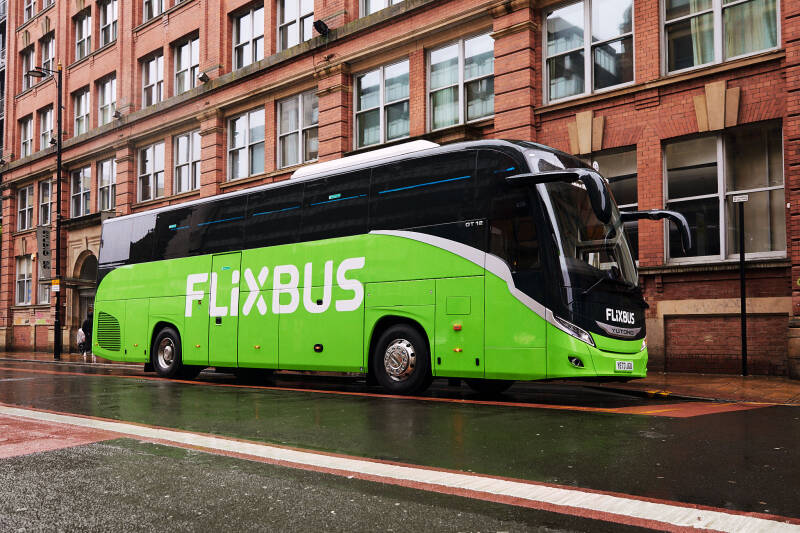

4. For Exceptional Situations (Large Purchases or Emergencies) Car-Sharing
Miles

Health & Personal Care in Europe
Setting up your new student life in a new country? PromoFarma is your go-to online marketplace for healthcare, skincare, and daily essentials. Instead of wandering through local pharmacies trying to translate labels, you can order certified wellness and personal care products online from trusted European pharmacies.
Why it is perfect for international students?
- One-Stop Shop: Access more than 150,000 personal care products, vitamins, sports nutrition, and cosmetics in one single click.
- Smart Savings: The platform automatically compares prices across hundreds of partner pharmacies to guarantee you get the best deal available.
- Effortless Delivery: No need to search the city; get your parcel delivered straight to your student apartment anywhere you are.
