


Welcome to studying in Belgium
Road Map
Route 1: Step-by-Step Guide for EU (European Union & EEA) Students
Step 1
Book your accommodation (Before leaving your home country)
- What you do: Search for a “Kot” (student room) through your university’s housing office or on official platforms like Brukot.be (Brussels), Kotatgent.be (Ghent) or HousingAnywhere.
- Payment: Sign the digital contract and pay the deposit + first month by international bank card (Revolut, Wise or your home bank) or SEPA transfer. You don’t need a Belgian account now.
- Safety: Check out the Student Rental Scam Guide (https://www.hubstudentseurope.com/international-student-anti-fraud-rental-safe-guards) to avoid scams.
Step 2
Key Collection and Inventory (Day 1 in Belgium)
- What you do: Meet the owner at the address of the Kot booked in Step 1.
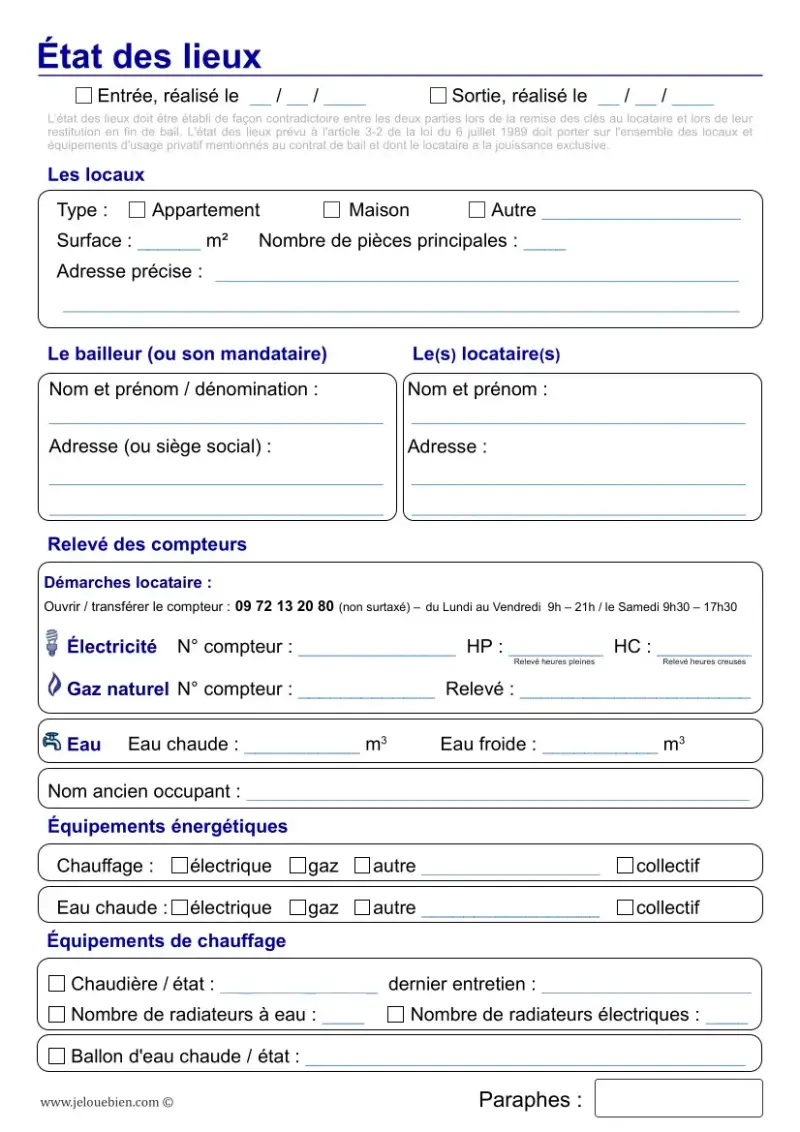
- Required: Make an inventory (État des lieux / Plaatsbeschrijving). Take clear photos of any defects in the room before signing the receipt, so you can get your deposit back at the end.
Step 3
SIM Card and Transport Subscription (Days 1–3)
- Phone: Buy a prepaid SIM card (Proximus, Orange or Base) for a local phone number.
- Transport: Go to a STIB/MIVB (Brussels), De Lijn (Flanders) or TEC (Wallonia) counter with your student ID for the reduced youth pass (approx. €12/year in Brussels).
Step 4
Registration at the Town Hall (Deadline: 8 days)
- Procedure: Make an appointment online at the local town hall (Commune / Gemeente) to which your address belongs, under the "EU student registration" section. Present your ID card, your acceptance letter from the university and your rental agreement.
- Police Check: Within 2-3 weeks, a neighborhood police officer will come to your door to verify that you physically live there. After the check, you will receive your Belgian national number and temporary residence document (Annex 19 / E-Card).
Step 5
Opening a Belgian bank account (Days 5–10)
- How to do it: Now that you have your rental agreement and proof from the town hall, go to a local bank (KBC/CBC, BNP Paribas Fortis or Belfius).
- Why: The student account is free. You need it to pay local expenses, utilities or to receive your salary from a student job.
Step 6
Registering for Health Insurance - Mutuelle (Days 7–14)
- What it is: Even if you have a European Health Insurance Card (EHIC) from home, registering with a local insurance company (Mutuelle / Ziekenfonds) such as Partenamut or Mutualité Chrétienne is mandatory in the long term.
- Cost: It costs around €10-15 per month and reimburses up to 75% of the cost of doctor's appointments and prescriptions.
Step 7
First Day of Classes, ESN Erasmus Card & Campus Setup (Before School Starts)
- Physical card: Go to the university secretariat and pick up your physical student card for access to the campus and canteens (Mensa).
- Internet: Log in to the Eduroam internet network on campus with the data received from the faculty.
- The Ultimate Erasmus Shield: Get Your ESNcard!
- Daily Life & Essentials: Moving to a new country comes with a host of practical needs for everyday life. From essential pharmaceuticals and personal care items to seasonal clothes and university outfits, you can get everything quickly and online, with delivery directly to your new address.
Route 2: Step-by-Step Guide for Non-EU (International) Students
Step 1
Book your accommodation (Before leaving your home country)
- What you do: Look for a "Kot" (student room) through your university's housing office or on official platforms like Brukot.be or HousingAnywhere. Classic agencies do not rent to you without a visa and local accounts, so only use student channels.
- Payment: Sign the digital contract (where parents often sign as financial guarantors) and pay the deposit by international transfer (SWIFT/Wise) or card.
Security: Check the platform using the Student Rental Scam Guide (https://www.hubstudentseurope.com/international-student-anti-fraud-rental-safe-guards) to avoid scams.
Step 2
Key Collection and Inventory (Day 1 in Belgium)
- What you do: Go directly to the secure Kot address in Step 1 to collect the keys from the owner or manager.
- Required: Inspect the room very carefully, take detailed photos of any small defects and sign the receipt report (État des lieux).
Step 3
SIM Card and Transport Subscription (Days 1–3)
- Phone: Buy a local prepaid SIM card (Proximus, Orange) to have a Belgian phone number, which is required for opening a bank account.
- Transport: Go to the nearest point of sale of the local transport network (STIB/MIVB in Brussels, De Lijn in Flanders, TEC in Wallonia) with your acceptance letter from your university to get the massive student discount.
STEP 1
Book your accommodation (Before leaving your home country)
EU (European Union & EEA) Students
- What you do: Search for a “Kot” (student room) through your university’s housing office or on official platforms like Brukot.be (Brussels), Kotatgent.be (Ghent) or HousingAnywhere.
- Payment: Sign the digital contract and pay the deposit + first month by international bank card (Revolut, Wise or your home bank) or SEPA transfer. You don’t need a Belgian account now.
Security: Check the platform using the HubStudentsEurope Student Rental Scam Guide(https://www.hubstudentseurope.com/international-student-anti-fraud-rental-safe-guards) to avoid scams.
Non-EU (International) Students
Book your accommodation (Before leaving your home country)
- What you do: Look for a "Kot" (student room) through your university's housing office or on official platforms like Brukot.be or HousingAnywhere. Classic agencies do not rent to you without a visa and local accounts, so only use student channels.
- Payment: Sign the digital contract (where parents often sign as financial guarantors) and pay the deposit by international transfer (SWIFT/Wise) or card.
Security: Check the platform using the Student Rental Scam Guide(https://www.hubstudentseurope.com/international-student-anti-fraud-rental-safe-guards) to avoid scams.
Brukot.be
Is one of the largest and oldest platforms specializing in student accommodation in Brussels, frequently recommended for various options, from classic kots and co-locations to private studios. The platform facilitates the search for flexible periods, including short internships, offering access to numerous student residences and private owners.

Kotatgent
Is the official student accommodation search platform in the city of Ghent, the result of a direct partnership between the City of Ghent (Stad Gent), the University of Ghent (UGent) and the local universities of applied sciences (such as HOGENT and Odisee).
Unlike other commercial sites, this is a public initiative created specifically to protect students and ensure a fair real estate market.
The 4 most important advantages of the platform:
- Certificate of conformity: The platform shows you whether a "kot" has an official certificate (conformity certificate), which guarantees that the property has been checked by the authorities for fire safety and living standards.
- Model contract: Trusted landlords use the model contract provided by Kotatgent, which complies 100% with Flemish student rental legislation and eliminates abusive clauses.
- Free legal assistance: If you have a conflict with the owner related to the guarantee, repairs or expenses, the administrative team offers you free legal advice.
- Advanced search filters: You can select exactly the desired options, such as the duration of the contract (12 months or short stays), the exact price or amenities such as private bathroom or internet access.
How the search works on Kotatgent:
1. Database: Kotatgent works as an administrative search engine, not as a real estate agency. The platform does not rent rooms directly and does not charge commissions.
2. Contacting the owner: You find the room on the site, and to book it you must click on the "Contact landlord" button to contact the owner by email or phone.
3. Signing and payment: The final interaction, signing the digital contract and paying the deposit are done directly with the owner, using anti-fraud security rules.

HousingAnywhere Belgium
is a major international platform for medium and long-term rentals, heavily used by students, expats and young professionals. Unlike traditional local sites, it operates exclusively online and focuses on remote bookings.
Main features of the platform
- 100% online booking: The process is completely digital, eliminating the need for physical viewings before signing the contract.
- Tenant protection: The first month's rent is blocked by the platform and transferred to the owner only 48 hours after moving in, if the property matches the description.
- Coverage in major cities: It is strongly present in student and economic hubs such as Brussels, Antwerp, Ghent, Liège, Leuven or Mechelen.
- Verified landlords: The landlords' profiles are verified to reduce the risk of scams, providing an extra level of security.
- Student discounts: Through official partnerships (such as the one with ESN Belgium), students can benefit from a 15% discount on the booking fee.

STEP 2
Key Collection and Inventory (Day 1 in Belgium)
- What you do: Meet the owner at the address of the Kot booked in Step 1.
- Required: Make an inventory (État des lieux / Plaatsbeschrijving). Take clear photos of any defects in the room before signing the receipt, so you can get your deposit back at the end.
This step is the most critical legal and financial moment when moving into a home in Belgium. The document you sign on this day will directly dictate whether or not you will get your deposit back when you leave.
Here are the essential aspects you need to know about this step:
What is the “État des lieux” / “Plaatsbeschrijving”?
It is an official document, mandatory by law in Belgium, that describes the exact condition of the room (kot) or apartment at the time you receive the keys.
- If a defect (a stain on the wall, a broken socket, a scratched window) is not noted in this document, Belgian law assumes that you received the room in perfect condition.
- Upon departure, the landlord can force you to pay for repairs for any defect not initially reported.
Strict rules for a proper viewing
1. Don’t rush: Landlords may be on the run, but you have the legal right to check every corner. Inspectors or landlords should write down everything you tell them.
2. Check utilities and fixtures:
- Turn on the faucets (check pressure and hot water).
- Flush the toilet.
- Turn on all the lights and test the outlets (you can use your phone charger).
- Open and close the windows and doors (check that they lock properly).
3. Inspect the included furniture: If you rented a furnished room, check the stability of the bed, desk and the inside of the cabinets (make sure there is no mold).
4. Check and record the meter readings: Write down the figures for water, gas and electricity (if they are individual meters) and make sure they are recorded in the document.
The importance of photos
- Take photos with a timestamp (date/time): Digital photos should be clear and include details (for example, a ruler or a finger next to a crack to show the size).
- Email them: Immediately after taking over, send the landlord an email with photos of all the defects found. This is irrefutable digital evidence in case of a dispute.
Legal grace period
In Belgium, if you notice a hidden defect in the first 10-15 days after moving in (for example, the heating does not work when the cold comes), you have the legal right to request an amendment/annex to the état des lieux contract. Send a registered letter or an official email to the landlord with the new findings.
To help you better prepare for this day, you want to know:
- How is the security deposit legally handled (bank vs. platform) in Belgium?
- What abusive clauses should you look for in the rental agreement before signing this inventory?
- How do you quickly translate the most important technical terms in the inventory document (which will be in Dutch or French)?

STEP 3
SIM Card and Transport Subscription (Days 1–3)
The installation process in Belgium differs depending on your nationality. Choose the section dedicated to your situation to avoid unnecessary costs.
Guide for Students from the European Union (EU)
Connectivity & Telephony
- Roaming rule: You can use your minutes and data from your home country at no extra cost (EU Roaming).
- When you need a local SIM: If your university, landlord or local banks require a Belgian number (+32) for contracts.
- Recommended local options: Prepaid card from Proximus, Orange or Base.
- Required document: European Bulletin or passport (registration is mandatory by law).
Public Transport (Reduced Passes)
- Brussels STIB/MIVB: Apply for the annual school pass at a physical counter (Bootik). Cost: €12/year. You need your ID and a student card from an EU institution STIB/MIVB School Pass.
- Flanders De Lijn: Buy the Buzzy Pazz season ticket (up to 24 years old) online or at the points of sale.
- Wallonia TEC: Show proof of enrollment at a counter for reduced youth rates.
Guide for Non-EU (International) Students
Immediate Connectivity (Recommended)
- Roaming issue: Home operator rates in Belgium are extremely high and public Wi-Fi networks at airports are often unreliable.
- The best solution: Activate a digital subscription before takeoff using the Airalo eSIM card, directly from the HubStudentsEurope platform, by clicking the ''Buy now eSIM Airalo Belgium'' button, choosing , from the Airalo website, Belgium
- Airalo advantages: Instant 5G internet connection the moment you land in Belgium, without queues, without contracts and without changing your physical SIM.
Public Transport (Discounted Season Tickets)
- Brussels (STIB/MIVB): Go to a sales center (Bootik) with your passport and the official acceptance letter from the Belgian university.
- Mandatory form: You must physically complete the student certificate requested by STIB/MIVB to approve the reduced rate of €12/year.
- Flanders & Wallonia: Register physically at the offices of the operators De Lijn or TEC as soon as you obtain your student visa or temporary residence permit to access the youth/student discounts.
Airalo
Is the world's first and largest global eSIM platform, the optimal connection solution for non-EU students before leaving their home country. It gives them functional mobile internet from the first second they land in Belgium, without bureaucratic hassles.
How Airalo works in Belgium
- Activate a digital subscription before takeoff using the Airalo eSIM card, directly from the HubStudentsEurope platform, by clicking the ''Buy now eSIM Airalo Belgium'' button, choosing , from the Airalo website, Belgium
- Package name: In the app, the dedicated package for Belgium is called Breeze (or Belganet).
- Local networks: Automatically connects to the top Belgian operators, Base and Proximus, ensuring excellent national coverage.
Speed: Supports high-speed 4G LTE and 5G connections.
Advantages
1. Zero Bureaucracy (No eKYC): Unlike physical operators in Belgium that require a passport scan by law, Airalo does not require any identity verification upon purchase.
2. Keep your old number: The phone works in Dual SIM mode. The student can use the Airalo internet, but remains connected to their home number for apps like WhatsApp or WeChat.
3. Flexible payment: Can be purchased online with any international credit card, PayPal, Apple Pay or Google Pay, before the student has a European bank account.
Limitations:
- No local phone number: Standard internet packages in Belgium are data-only. They do not include classic calls, SMS or a number with the +32 prefix.
- Device compatibility: The student's phone must be unlocked to any network and support eSIM technology (generally models released after 2019-2020).
- Pre-installation: Open the Airalo Belgium app from home, connected to a stable Wi-Fi at home and not to the slow public Wi-Fi at the airport. Strongly recommend that they download and install the eSIM while they are still at home, connected to a stable Wi-Fi at home, and not to the slow public Wi-Fi at the airport.

Public Transport (Reduced Passes)
- Brussels STIB/MIVB: Apply for the annual school pass at a physical counter (Bootik). Cost: €12/year. You need your ID and a student card from an EU institution STIB/MIVB School Pass.

Flanders De Lijn: Buy the Buzzy Pazz season ticket (up to 24 years old) online or at the points of sale.

Wallonia TEC: Show proof of enrollment at a counter for reduced youth rates.

STEP 4
Registration at the Town Hall (Deadline: 8 Days)
In Belgium, it is mandatory by law to register your presence at the local town hall (Commune in French / Gemeente in Dutch) to which your address belongs, within 8 days of arrival.
Procedure for Students from the European Union (EU)
Appointment and Required Documents
- Where to schedule: Online, on the website of your town hall, in the "EU student registration" section.
- Documents required for the first visit:
- National ID card or European passport (original).
- Signed rental contract (KOT / apartment).
- Official proof of enrollment from the Belgian university (Attention: the initial acceptance letter is not sufficient, you must be fully enrolled).
- European Health Insurance Card (EHIC).
- Proof of sufficient financial resources.
Police Check & Final Document
- Home Check: Within 2-3 weeks of the visit, a neighborhood police officer (Agent de quartier / Wijkinspecteur) will come unannounced to your address to verify that you physically live there.
- What you receive: After a positive police report, you return to the town hall to receive your Belgian national number and the temporary residence document called Annex 19. Afterwards, you will receive the electronic residence card E-Card.
Useful Tips
- HubStudentsEurope Pro Tip (Name on the Box): Put your name on the mailbox the first day you move in! If the police officer comes and doesn't find your name, they will mark the check as "failed" and the residency process will start over.
- Bureaucratic Tip: Some city halls in big cities (like Brussels or Antwerp) are extremely busy. We recommend that students book their appointment online at the city hall right before they leave their country, choosing a date during their first week in Belgium.
Procedure for Non-EU (International) Students
Appointment and Required Documents
- Where to schedule: Online, on the town hall website, in the "Non-EU citizen - Student registration" section.
- Required documents for the first visit:
- Valid national passport containing the Long-stay Visa (Visa D) stamped.
- Legalized rental agreement.
- University registration certificate (standardized form).
- Proof of financial solvency (e.g. blocked university account document or approved Annex 32/Sponsorship).
- Proof of valid health insurance in Belgium. HubStudentsEurope recommendation: compare and buy health insurance with HelloSafe
Police Check & Salvator Document (Annex 15)
- Home Check: The police check is much stricter for non-EU citizens; they will also check whether your name is on the intercom and mailbox.
- What you get: Since the residence permit processing takes time, the city hall will issue you with an extremely important temporary residence document called Annex 15. This gives you the legal right to stay in Belgium while you wait for the official card to be issued.
- Final document: After final approval from the Immigration Office, you will receive the electronic residence permit type A-Card, usually valid until October 31 of the current academic year, with the obligation to renew annually.
Useful Tips
- HubStudentsEurope Pro Tip (Name on the Box): Put your name on the mailbox the first day you move in! If the police officer comes and doesn't find your name, they will mark the check as "failed" and the residency process will start over.
- Bureaucratic Tip: Some city halls in big cities (like Brussels or Antwerp) are extremely busy. We recommend that students book their appointment online at the city hall right before they leave their country, choosing a date during their first week in Belgium.
Registration at the town hall
In Belgium requires presentation within 8 days to the local authorities, the process being structured for EU citizens (who require a complete file on the first visit) and non-EU citizens (requires a D Visa), according to the Federal Immigration Office (IBZ) and regulations regarding changes in residency applications.
How does the student find the appointment link? (Universal for any city)
- Each student must register strictly at the town hall to which their address belongs.
- How to schedule in your city: Check the postal code of your address in Belgium.
- Search on Google: Name of your city town hall student registration (Examples: "Gent town hall student registration", "Liège commune inscription etudiant"). The first result will be the official website of your town hall, where you can book your interview date and time online.

HubStudentsEurope recommendation (Digital Comparator)
If you want to compare other options or are looking for other flexible travel/medical plans that comply with visa requirements, you can also use HelloSafe — a global comparator that allows you to quickly analyze various insurance offers tailored for international students.

STEP 5
Getting a Belgian Bank Account & Bank ID (Days 5–10)
- The Big Picture: You need a local account to receive student job salaries, get healthcare refunds, or pay utility bills. In Belgium, traditional banks also issue your Government Digital Identity (itsme®). However, traditional banks can take weeks to approve you. If you need a Belgian account instantly, you can choose the Fast Track option.
1. The Fast Track: Get a Belgian IBAN Instantly (Recommended)
If traditional banks take too long or reject you because your Town Hall paperwork is still being processed, use Nickel Belgium. It bypasses all Belgian banking bureaucracy.
- What you get: A fully functional, official Belgian IBAN (starting with BE) and a physical Mastercard.
- How to do it:
1. Fill in your details online on the Nickel Belgium platform (takes 5 minutes).
2. Save the QR code received on your phone.
3. Walk into any local Belgian newsagent / press shop (Bookstore / Press Shop).
4. Scan your code, pay the low annual fee (€25), and walk out with your active card and Belgian bank details (RIB) in your hand.
- Required Documents: Just a valid passport or national ID card. No Belgian residence proof required.
- Crucial Note: Nickel provides a fast local IBAN for all your payments, but it does not link directly to the itsme® app. You can easily activate your itsme® digital ID later at the Town Hall once your physical residence card arrives.
2. The Traditional Route: High Street Banks
If you prefer a traditional brick-and-mortar bank that links directly to the itsme® app from day one, you can open a free student account at KBC/CBC, BNP Paribas Fortis, or Belfius.
- How to do it: Book an appointment online or visit a local branch. You must bring your physical card reader (provided by the bank) to log in.
- Required Documents: Your Passport/ID, your University Acceptance Letter, and your temporary registration document containing your Belgian National Number from the Town Hall (Step 4).
- The Catch: Traditional banks usually will not unlock your account until you have successfully passed the police home-check and received your national number from the Town Hall.
Summary: Which one should you choose?
- Choose Nickel Belgium if you want an active Belgian account today to secure your room, pay local bills, or give an IBAN to your employer without waiting for the Town Hall.
- Choose a Traditional Bank if you have already completed your Town Hall registration, have your national number, and want to activate your itsme® app immediately through a bank link.
Special Note for Erasmus & Short-Term Students (3–8 Months)
If you are coming to Belgium via the Erasmus+ program or for a single semester, do not waste your time trying to open a traditional bank account.
Why?
High-street banks will demand paperwork that can take longer to process than your actual stay. Furthermore, you do not need a Belgian Digital Government ID (itsme®) for short-term stays, as your university will provide standard login credentials.
The Best Choice: Just get a Nickel Belgium Card on your first day. You will instantly get a Belgian IBAN (BE) to pay your rent, buy your student transport pass, or receive local money, with zero administrative headaches. When your semester ends, you can close it easily or keep it for future travel in Europe!
STEP 6
Registering for Health Insurance (Days 7–14)
- The Big Picture: Healthcare in Belgium is highly efficient but works on a reimbursement system. You pay the doctor upfront. Your insurance provider then refunds up to 75% of your medical bills [Partenamut, Helan]. Registering is legally required for your stay.
- The Cost: A basic student subscription costs around €10 to €15 per month.
Route 1: For EU (European Union & EEA) Students
Your European Health Insurance Card (EHIC) from home covers emergencies. However, for standard doctor appointments, dental care, or local prescriptions, you must register with a Belgian provider Partenamut, Helan.
- What to do: You need to choose and register with a local public insurance fund, known as a Mutuelle (French) or Ziekenfonds (Dutch) Partenamut, Helan.
- Documents needed:
- A digital copy of your Passport or National ID.
- A scan of your home country's EHIC card (both sides).
- Your University Enrollment Letter.
- Pro-Tip: Some local providers offer completely free or heavily discounted student rates if you already hold a valid EHIC.
Route 2: For Non-EU (International) Students
As a Non-EU student, your visa legally requires full health insurance from Day 1. Your home country's insurance will not work in Belgium.
- What to do: You must sign up as a "Student Resident" with a local provider Partenamut, Helan through the HelloSafe digital comparator.
- Documents needed:
- Your Passport and Student Visa (Visa D).
- Your University Enrollment Certificate.
- Your temporary residence document or National Number from the Town Hall (Step 4).
- The Catch: High-street insurance providers require your Belgian National Number to complete registration. This creates a dangerous coverage gap of 2–3 weeks while your Town Hall paperwork processes.
Special Section: What about Erasmus Students (3–8 Months)?
If your exchange program is short, do not sign up for a monthly Belgian subscription.
- For EU Erasmus: Your EHIC card is 100% sufficient. Pay the doctor out of pocket, get an official receipt (Attestation de soins), and bring it to any physical insurance office in Belgium. They will refund your 75% without a membership Partenamut.
- For Non-EU Erasmus: Check if your home university covers you internationally, or buy cheap, short-term international student insurance online.
The Universal Tool: Compare & Choose Instantly on HelloSafe
No matter your student profile, don't guess which insurance plan to pick. Use a trusted, free digital comparator to find the perfect fit .
- Compare All Student Insurance Plans on HelloSafe Belgium: This free, anonymous platform is built for everyone .
- For EU & Non-EU Students: Compare official Belgian Mutuelles (like Partenamut or Helan) side-by-side to find the lowest monthly fees and best extra perks (like cash-back for gym memberships) .
- For Visa Applicants & Erasmus: Instantly find and buy cheap private international plans or Schengen travel insurance to get your digital insurance certificate downloaded in under 3 minutes .

STEP 7
First Day of Classes, ESN Erasmus Card & Campus Setup (Before School Starts)
- The Big Picture: Your administrative battle with the town hall, banks, and insurance is over. Now, it is time to unlock your physical, digital, and social life inside your new Belgian university.
1. Pick Up your Physical Student Card
- What to do: On your very first day on campus, go directly to the university's central registration office (Secrétariat des étudiants / Studentensecretariaat).
- Why you need it: Your physical student card is your electronic key. It grants access to campus buildings, library research areas, and unlocks steep student discounts at the university canteen (Mensa).
- What to bring: Your official university letter of enrollment and your passport/ID card.
2. Connect to the Campus Internet (Eduroam)
- What it is: Eduroam is the secure, global roaming network developed for the international academic community.
- How to do it: Use the specific digital login credentials sent to your student email by your faculty IT department.
- Pro-Tip: Once configured on your phone and laptop, your device will automatically connect to secure, high-speed internet at any university campus or academic library across Belgium and the rest of Europe without needing a new password.
3. The Ultimate Erasmus Shield: Get Your ESNcard!
If you are an Erasmus+ or exchange student, your priority number one during your first week is to join the Erasmus Student Network (ESN) Belgium(https://esnbelgium.org/esncard)
- What is it? The official membership card of the Erasmus Generation. It costs around €15 and is valid for one entire year across all of Europe.
- How to get it: Visit your local university's ESN section office (e.g., ESN Leuven, ESN ULB Brussels, ESN Ghent) during their welcome days.
- What you must bring: A printed passport-size color photo, your physical ID/Passport, and your Learning Agreement or Acceptance Letter as proof of your exchange status.
- Don't forget: Once you buy the physical card, you must register it online at ESNcard.org to unlock the digital codes and vouchers.
Major ESNcard Benefits in Belgium & Europe:
- The Ryanair Deal: You get a 10% discount on 4 single flights (or 2 return flights) PLUS a free 20kg checked-in bag for each of those flights. This benefit alone saves you hundreds of Euros when traveling back home or exploring Europe.
- FlixBus & Flibco: Get a 10% discount on FlixBus journeys and special promo codes for Flibco shuttle buses connecting major Belgian student cities to Brussels Airport and Charleroi Airport.
- Local Events & Parties: ESN cardholders get free entry or massive ticket discounts on all local ESN trips, pub crawls, cultural events, sports days, and student cantusses.
- Tomorrowland Access: ESN partners officially with Tomorrowland in Belgium, giving registered cardholders access to an exclusive, limited international student ticket pre-sale at reduced prices.
4. Setting Up your Student Room & Tech (The Academic Essentials)
Belgian universities rely heavily on digital platforms like Moodle or Canvas for course materials, assignments, and exams. Furthermore, your "Kot" (student room) will need some basic comfort essentials from Day 1.
- Student Discounts: Before buying any software or hardware, check your university student portal. Most Belgian faculties provide free access to Microsoft Office 365 or deep discounts via local networks.
- Get Everything for your Kot on Amazon Belgium: Use your student status to unlock free delivery on essentials. Order your study desk lamps, bedding, kitchen utensils, and tech accessories (like local power adapters or external monitors) delivered straight to your door.
- Shop Local Essentials on Bol.com: Bol is the most popular online store in the Benelux region. It is the number one platform where local students order everything from textbooks and backpacks to room electronics with fast, next-day delivery.

Health & Personal Care in Belgium
Setting up your new student life in Belgium? PromoFarma is your go-to online marketplace for healthcare, skincare, and daily essentials. Instead of wandering through local parafarmacie trying to translate labels, you can order certified wellness and personal care products online from trusted European pharmacies.
Why it is perfect for international students in Belgium:
- One-Stop Shop: Access more than 150,000 personal care products, vitamins, sports nutrition, and cosmetics in one single click.
- Smart Savings: The platform automatically compares prices across hundreds of partner pharmacies to guarantee you get the best deal available.
- Effortless Delivery: No need to search the city; get your parcel delivered straight to your student apartment anywhere in Belgium.
