


Austrian State Benefits for International Students (General Guide)
Austria not only offers a top-notch education, but also massively finances the quality of life of students through direct economic measures from the state budget. Here are the 5 major pillars of support that any international student benefits from:
1. Health: Subsidized Health Insurance (Studierenden-Selbstversicherung)
2. Education: Low or Free Tuition Fees (Studienbeitrag)
3. Funding: Government Scholarships through the OeAD Agency
4. Work: Legal Right to Self-financing (Part-time Jobs)
5. Culture: Lifestyle Subsidies
6. Daily Life & Essentials: Moving to a new country comes with a host of practical needs for everyday life. From essential pharmaceuticals and personal care items to seasonal clothes and university outfits, you can get everything quickly and online, with delivery directly to your new address.
Health Insurance in Austria - Complete Student Guide
Health is the most critical asset when moving to a new country. Austria offers a state-subsidized insurance system that guarantees international students the exact same medical rights as Austrian citizens, without draining their budget.
Here is how the Studierenden-Selbstversicherung (Student Self-Insurance) works based on your origin:
1. For EU / EEA Students (Free Access)
If you are a citizen of an EU/EEA country, you do not need to buy Austrian insurance.
- The Solution: Use your EHIC (European Health Insurance Card) from your home country.
- How to use it: Show the card directly to any doctor in Austria who has a contract with the state (look for doctors marked with "Alle Kassen" or "ÖGK"). All basic consultations, emergency treatments, and hospital stays are 100% free.
2. For Non-EU International Students (Subsidized State Insurance)
If you come from outside the European Union (Asia, Africa, America, etc.), you are legally required to have health insurance to get your residence permit (Aufenthaltstitel). The Austrian government heavily co-funds this for students.
- The Provider: ÖGK (Österreichische Gesundheitskasse) – the official national health insurance provider.
- The Cost: A heavily discounted student rate of approx. €66 - €69 per month (instead of the standard €450+ paid by regular employees).
- What it covers:
- Free visits to general practitioners (GPs) and specialists.
- Free emergency care and hospitalizations.
- Deeply discounted or capped prices on prescription medicines.
Step-by-Step: How to Apply Without Complex Bureaucracy
Students can apply for this subsidized insurance immediately after arriving in Austria. No complex paperwork is required.
1. Get your proof of enrollment (Inskriptionsbestätigung) from your Austrian university portal.
2. Get your proof of residence (Meldezettel) from the local city office.
3. Submit the application online or visit the nearest ÖGK office with your passport.
4. Receive your e-card: ÖGK will issue a physical smartcard containing your social security number. You will use this card at every medical appointment.
HubStudentsEurope Tip: Keep in mind that to maintain this subsidized €66/month rate, the Austrian state requires you to show academic progress (usually completing at least 8-16 ECTS credits per academic year).

Education
Tuition Fees in Austria: High-Quality Education at Low Cost
Unlike countries with massive student debt systems, the Austrian government believes education should be accessible to everyone. The state heavily subsidizes public universities, meaning your tuition fees (Studienbeitrag) will be minimal or completely zero.
Here is exactly how much you will pay based on your nationality:
1. For EU / EEA Students: Free Tuition
If you hold a passport from an EU/EEA country, your higher education is structurally free.
- The Cost: €0 per semester for the official duration of your program (plus 2 tolerance semesters if you need extra time to graduate).
- The Only Fee: You only pay the mandatory ÖH-Beitrag (Student Union fee) of around €25 per semester. This covers student insurance and university union services.
2. For Non-EU International Students: Deeply Subsidized
If you come from outside the European Union (Asia, Africa, the Americas, etc.), you still benefit from massive government subsidies.
- The Cost: A standardized flat rate of €726.72 per semester (plus the €25 Student Union fee).
- Total Yearly Cost: Approx. €1,500 per year – a fraction of what you would pay in the US, UK, or Australia for the exact same European-recognized degree.
Exceptions: How to Get a 100% Tuition Fee Waiver
The Austrian state allows public universities to completely waive or refund the €726.72 fee under specific government-approved conditions:
- Developing Countries: Students from least developed nations (e.g., Afghanistan, Bangladesh, Ethiopia, Yemen, etc.) are automatically exempt from paying tuition fees and only pay the €25 student union fee.
- Academic Merit Scholarships: Most Austrian universities offer a Leistungsstipendium (Merit Scholarship) at the end of the academic year. If your GPA is excellent, the university will refund your tuition fees for that year.
- Partnership Programs: If you arrive via specific exchange networks like Erasmus+, CEEPUS, or official bilateral university agreements, your fees are fully covered by the state.
HubStudentsEurope Tip: Private universities in Austria do not follow these state regulations and can charge anywhere from €5,000 to €20,000 per year. For budget-friendly integration, always target Public Universities (Universität or Fachhochschule).

Funding: Government Scholarships through the OeAD Agency
Studying in Europe doesn't have to be a financial burden. The Austrian government funds thousands of international students every year through its official national agency for mobility, the OeAD.
Whether you are looking for monthly living allowances, travel grants, or tuition waivers, here is how you can secure government funding .
1. The Central Search Engine: Grants.at
The Austrian state maintains a single, comprehensive database for all available scholarships, research grants, and financial aid programs: Grants.at.
How it works: Students from any country can filter awards based on their nationality, field of study (STEM, Humanities, Arts), and degree level (Bachelor, Master, PhD).
2. Top Government Scholarships for International Students
- The Ernst Mach Grant: The most popular state scholarship for non-EU international students .
- The Benefit: A monthly allowance of €1,050 to €1,150 to cover your accommodation and living costs, plus a full waiver of university tuition fees.
- Who can apply: Undergraduates, graduates, and postgraduates from all fields of study coming from outside Austria.
- The Richard Plaschka Grant: Geared towards international students in humanities, history, and cultural studies.
- The Benefit: Offers up to €1,150 per month for research periods spent at Austrian public universities.
- The Franz Werfel Grant: Dedicated to young university teachers and students of German language and Austrian literature from all over the world.
3. The Emergency Net: The ÖH Social Fund (ÖH-Sozialfonds)
The Austrian state, via the Austrian Students' Union (Österreichische Hochschülerinnen- und Hochschülerschaft), protects international students facing sudden financial crises.
- The Benefit: A one-time, non-repayable financial emergency grant (up to several hundred euros).
- Who qualifies: Any international student (EU and Non-UE) who encounters an unexpected life crisis, such as sudden medical expenses, loss of a part-time job, or housing complications.
HubStudentsEurope Strategy: How to Maximize Your Application Success
To win a state scholarship from the OeAD, students do not need an Austrian address or bank account yet, but they must prepare early :
1. Apply 6–9 months in advance: Most major OeAD application deadlines close between January and March for the upcoming October winter semester .
2. Secure an acceptance letter first: You cannot get an OeAD grant without a formal confirmation of admission (Zulassungsbescheid) from a registered Austrian university .
3. Keep your ECTS points high: For ongoing merit grants, the state tracks your academic progress. Aim to complete at least 15-30 ECTS credits per semester to remain eligible.

Work: Legal Right to Self-financing (Part-time Jobs)
Can you support yourself while studying in Austria? Yes! The Austrian government legally protects and guarantees the right of international students to work part-time. This allows you to cover your monthly living expenses while gaining valuable local work experience.
Here are the official work regulations based on your nationality:
1. For EU / EEA Students: Unlimited Work Access
If you hold a passport from an EU/EEA country, you have full, unrestricted access to the Austrian labor market from day one.
- Working Hours: Legally unlimited. However, universities strongly recommend working a maximum of 20 hours per week to maintain academic progress.
- The Process: No work permit required. You simply sign a standard employment contract with your employer.
2. For Non-EU International Students: Capped Hours
If you come from outside the European Union (Asia, Africa, the Americas, etc.), you are legally allowed to work to help fund your studies, but with specific safeguards to ensure education remains your primary focus.
- Working Hours: A maximum of 20 hours per week. This limit applies strictly across all types of degrees (Bachelor's, Master's, and PhD).
- The Process (The Work Permit): You cannot just start working on your student visa. Your employer must apply for a simplified work permit called Beschäftigungsbewilligung at the national employment agency (AMS).
- Approval Time: The AMS usually processes and approves these student work permits within 2 to 4 weeks. The permit is free for the student.
Types of Student Contracts & Average Salaries
The Austrian state heavily regulates wages. You are legally protected by collective agreements (Kollektivvertrag), meaning you cannot be underpaid.
- Geringfügige Beschäftigung (Marginal Employment):
- How it works: Ideal for students. You earn up to approx. €551,10 per month (the exact cap is updated annually by the state).
- The Benefit: This income is completely tax-free, and you do not pay national health or pension insurance from it.
- Teilzeit (Standard Part-Time Job):
- How it works: Working up to 20 hours/week, earning above the marginal limit.
- Average Salary: Students typically earn between €12 and €16 per hour, depending on the sector (hospitality, retail, corporate tutoring). This translates to around €900 – €1,200 per month.
HubStudentsEurope Tips for Finding Your First Job
1. No German? Focus on Delivery or Tech: If you don't speak German yet, look for jobs at companies like Foodora or Wolt (bike delivery), or student assistant positions in English-taught IT and engineering university labs.
2. Learn Basic German for Retail & Hospitality: Knowing basic conversational German (B1 level) immediately opens doors to well-paying student jobs in local cafes, restaurants, and clothing retail stores.
3. Use the ÖH Job Exchange: The Austrian Student Union runs the most trusted student-specific job portal in the country: schwarzesbrett.oeh.ac.at.

Culture & Lifestyle: State-Subsidized Student Living
Austria is a global cultural superpower. The government strongly believes that arts, opera, and high-quality leisure should not be elite luxuries, but accessible to everyone—especially students.
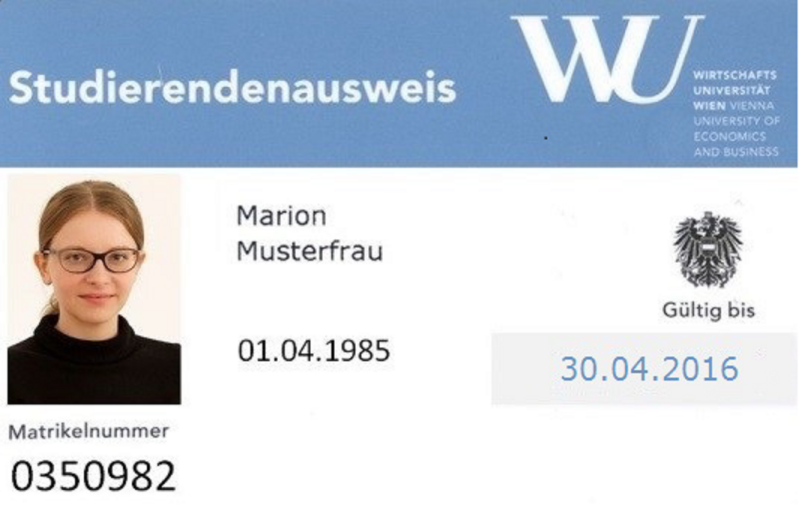
By using your international student ID card (Studierendenausweis), you unlock massive state-subsidized discounts across the entire country.
1. World-Class Opera & Theatre for the Price of a Coffee
Austria’s most famous cultural institutions offer radical price cuts for students, often dropping ticket prices by up to 90%.
- The Standing Room Tickets (Stehplätze): At the world-famous Vienna State Opera (Wiener Staatsoper), regular tickets can cost over €200. However, students can purchase state-subsidized standing room tickets on the day of the performance for just €10 to €15.
- Burgtheater & Volkstheater: The national theatres offer student tickets starting from €8, allowing you to experience world-class drama on a strict student budget.
2. Subsidized Museum Access & Federal Parks
All federal and state-owned museums offer heavily discounted entry fees for anyone holding a valid student ID under the age of 27.
- Top Locations: Museums like the Albertina, the Kunsthistorisches Museum, and the Belvedere (where Gustav Klimt's The Kiss is located) reduce their entrance fees to around €5 - €9 for students.
- The Federal Gardens: Access to the historic palace gardens of Schönbrunn and Belvedere is 100% free, serving as the perfect outdoor study or workout space.
3. USI: Cheap State-Sponsored Sports & Fitness
You don’t need to pay for an expensive private gym membership in Austria. The state funds the Universitätsisportinstitut (USI) across all university cities (Vienna, Graz, Innsbruck, Salzburg, Linz).
- How it works: USI offers thousands of subsidized sports courses every semester, ranging from football, yoga, and swimming to skiing, climbing, and martial arts.
- The Cost: Courses typically cost between €20 and €40 per semester (covering 4-5 months of weekly training with professional coaches).
HubStudentsEurope Digital Tools: Cards You Must Have
To unlock these lifestyle subsidies from day one, make sure to get these cards:
1. The ISIC Card (International Student Identity Card): Recognized everywhere in Austria. It bridges the gap before you receive your official Austrian university ID.
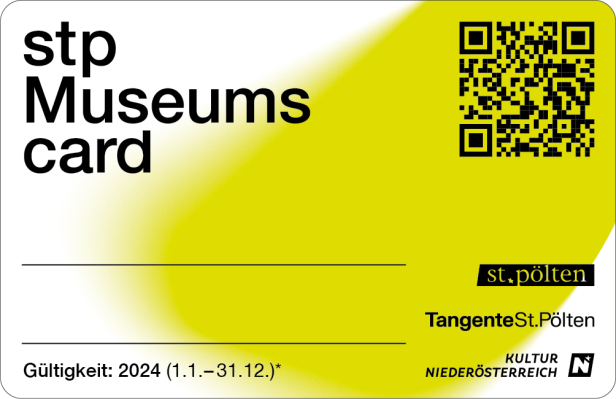
2. The ÖMK (Österreichische Museumskarte): If you are a history or art student, look into regional museum passes that offer unlimited access for a small annual student fee.
HubStudentsEurope Tip: Always ask "Gibt es un Studentenrabatt?" (Is there a student discount?) before paying anywhere in Austria—whether you are buying a ticket to a museum, ordering at a local cinema, or purchasing a pass to a public swimming pool (Freibad).

Health & Personal Care in Italy
Setting up your new student life in Austria? PromoFarma is your go-to online marketplace for healthcare, skincare, and daily essentials. Instead of wandering through local parafarmacie trying to translate labels, you can order certified wellness and personal care products online from trusted European pharmacies.
Why it is perfect for international students in Austria:
- One-Stop Shop: Access more than 150,000 personal care products, vitamins, sports nutrition, and cosmetics in one single click.
- Smart Savings: The platform automatically compares prices across hundreds of partner pharmacies to guarantee you get the best deal available.
- Effortless Delivery: No need to search the city; get your parcel delivered straight to your student apartment anywhere in Austria.
